

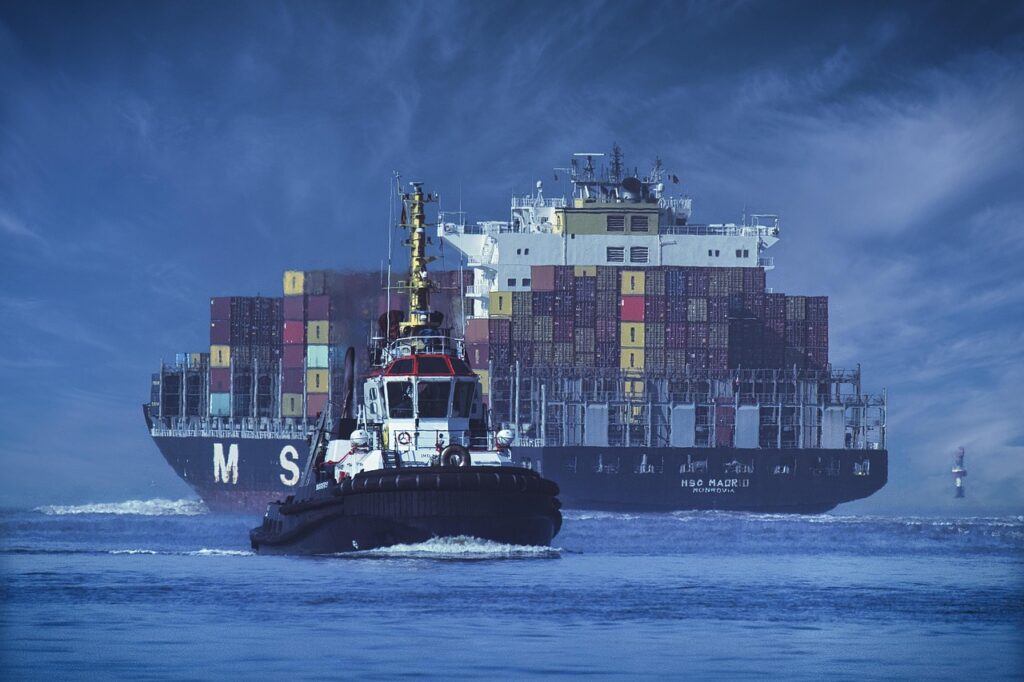
freight pricing competition illustration for The Impact of Marketplace Competition on Freight Pricing Explained

The Impact of Marketplace Competition on Freight Pricing Explained

In todays rapidly evolving freight industry, the surge in freight pricing competition has transformed how shippers and carriers interact, leading to more favorable rates and innovative solutions. Join us as we explore how marketplace dynamics are reshaping the future of freight pricing.

The Impact of Marketplace Competition on Freight Pricing

The freight industry has undergone a significant transformation over the last two decades, largely driven by technology and the rise of online marketplaces. As platforms such as Uber Freight, Convoy, and Loadsmart have emerged, competition in the freight marketplace has intensified, leading to notable shifts in freight pricing dynamics. This article explores how marketplace competition affects freight pricing, delving into the mechanisms of supply and demand, pricing strategies, and the long-term implications for the industry.
Understanding the Freight Marketplace

freight pricing competition illustration for The Impact of Marketplace Competition on Freight Pricing Explained

Before examining the impact of competition, it is essential to understand the freight marketplace. The freight marketplace acts as a digital platform that connects shippers with carriers who provide transportation services. Unlike traditional freight brokers, these platforms leverage technology to streamline operations, enhance transparency, and improve efficiency.

Key Characteristics of the Freight Marketplace

  • Digital Platform: Freight marketplaces utilize advanced algorithms and real-time data to match loads with available trucks quickly.
  • Transparency: Many platforms provide transparent pricing structures, allowing shippers to see available rates and carriers to view load opportunities.
  • On-Demand Services: Freight marketplaces allow for on-demand freight booking, offering flexibility for shippers and maximizing truck utilization for carriers.

The Role of Competition in Freight Pricing

Competition in the freight marketplace plays a crucial role in pricing strategies. The influx of new entrants forces established companies to adapt, fostering innovation and a focus on customer service. Here’s how competition influences freight pricing:

1. Pricing Pressure Due to Increased Supply

As more carriers join the marketplace, the supply of available trucks increases. This heightened competition results in downward pressure on freight rates:

  • Lower Prices for Shippers: With many carriers vying for contracts, shippers benefit from more competitive pricing. For instance, a manufacturer looking to transport goods may receive multiple bids, allowing them to choose the best option.
  • Carrier Profit Margins: While shippers enjoy lower rates, carriers may experience squeezed profit margins as they compete for loads. This dynamic can lead to either cost-cutting or the risk of service degradation.

2. Dynamic Pricing Models

Freight marketplaces often employ dynamic pricing models that adjust rates based on real-time supply and demand. This model can lead to fluctuations in pricing, which can benefit or hinder various market players:

  • Surge Pricing: During peak demand periods, rates can increase significantly. For example, during holiday seasons when freight demand skyrockets, carriers can command higher prices due to limited available capacity.
  • Market-Driven Rates: In contrast, during times of low demand, rates may sharply decline, impacting carriers’ earnings. This variability encourages carriers to manage their capacity more effectively and seek loads strategically.

3. Technology and Data-Driven Pricing

Modern freight marketplaces leverage technology and big data to inform pricing strategies. Carriers and shippers alike can access predictive analytics that helps them assess market conditions:

  • Predictive Analytics: By analyzing historical data, freight platforms can predict future trends and adjust pricing accordingly. For example, if data indicates an upcoming increase in e-commerce activity, carriers may preemptively raise their rates in anticipation of rising demand.
  • Cost Transparency: Carriers who provide detailed rate breakdowns give shippers insight into how prices are determined, fostering trust and potentially leading to long-term partnerships.

Impact on Capacity Management

Competition in the freight marketplace requires strategic capacity management from both shippers and carriers. Properly managing capacity directly influences pricing strategies and operational efficiency.

1. Efficient Load Matching

With increased competition, freight platforms focus on efficiently matching loads with available truck capacity. This process not only streamlines operations but also impacts pricing:

  • Reduced Empty Miles: Effective load matching minimizes the distance trucks travel without freight, resulting in cost savings that can be passed onto shippers.
  • Higher Utilization Rates: Carriers operating at higher utilization rates can afford to offer lower prices, knowing their operational costs are spread across a greater volume of freight.

2. Fleet Management Strategies

Carriers must adapt their fleet management strategies in response to competitive pressures. This can result in changes to pricing and service offerings:

  • Flexible Capacity: Some carriers invest in flexible leasing options or partnerships with other carriers to expand capacity during peak times without significant capital investments.
  • Technology Investments: Investing in fleet management technology can help carriers optimize routes, reduce fuel expenses, and ultimately keep pricing competitive.

Long-Term Implications for the Industry

The impact of marketplace competition on freight pricing is not only immediate but also has long-term implications for the freight industry.

1. Consolidation of Service Providers

As competition intensifies, smaller carriers may struggle to compete, leading to potential consolidation within the industry. This trend can have several effects:

  • Fewer Choices for Shippers: While larger carriers may offer broader service networks, fewer options can limit shippers’ flexibility in choosing partners.
  • Innovation Opportunities: On the flip side, larger consolidated firms may have more resources to invest in technology and innovation, benefiting the overall industry.

2. Enhanced Customer Experience

Competition can drive improvements in customer experience:

  • Service Differentiation: As companies strive to capture market share, they may explore differentiating services, such as real-time tracking, enhanced customer support, and value-added services (e.g., warehousing and logistics).
  • Feedback Mechanisms: Freight marketplaces often include customer feedback systems that encourage service providers to raise their performance standards, ultimately benefiting customers.

Conclusion

Marketplace competition in the freight industry has fundamentally reshaped pricing dynamics, encouraging lower rates for shippers and prompting carriers to adapt their strategies. While the immediate benefits include enhanced pricing transparency and efficiency, the long-term implications include a potential consolidation of service providers and increased emphasis on customer experience.

As the landscape continues to evolve, stakeholders in the freight industry must remain agile and adaptable to harness the opportunities presented by competition while mitigating the challenges it poses. Ultimately, a balanced approach will be critical to ensuring sustained growth and profitability within this vibrant sector.