Skip to content


As e-commerce continues to thrive, platform-driven shipping is reshaping logistics by offering businesses streamlined solutions for managing supply chains and enhancing customer interactions, making it a trend that’s here to stay. Embrace the conveniences of real-time tracking and integrated systems, and discover how this innovative approach to shipping can elevate your business!
# Why Platform-Driven Shipping Is Here to Stay
In an age where e-commerce is flourishing, the logistics of shipping and delivery have evolved dramatically. The rise of platform-driven shipping has transformed the way businesses manage their supply chains and interact with consumers. But what exactly makes platform-driven shipping a trend that’s here to stay?
Understanding Platform-Driven Shipping
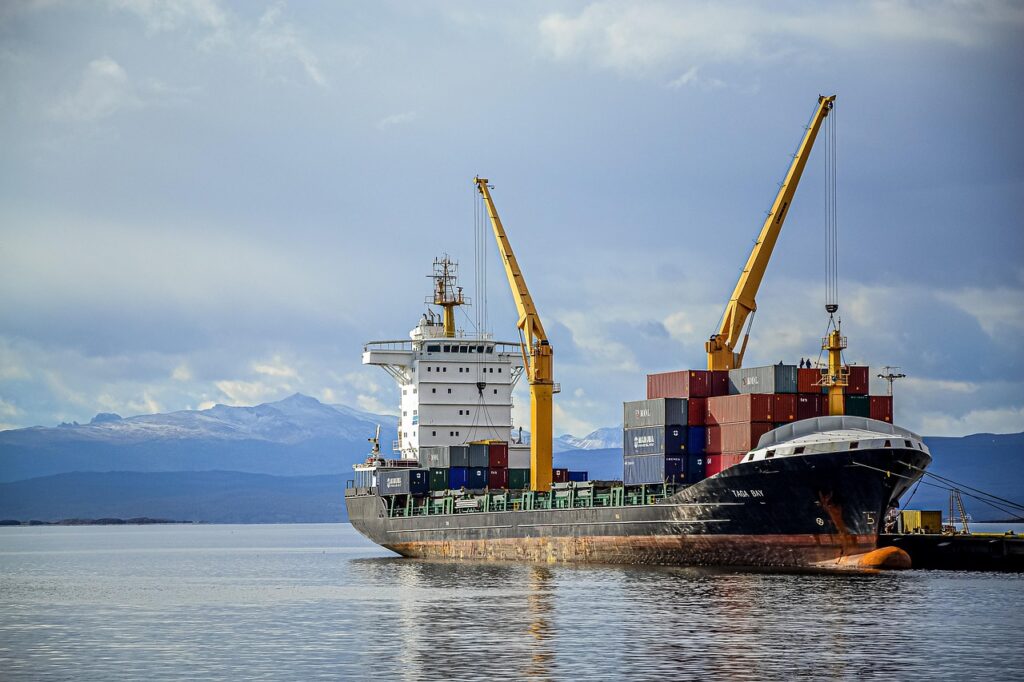 Platform-driven shipping refers to the use of online platforms and technologies that streamline the shipping processes between businesses and consumers. These platforms often provide integrated solutions that include order management, inventory tracking, and logistics services. Companies like Amazon, Shopify, and even smaller logistics startups are at the forefront of this trend, leveraging technology for efficient shipping solutions.
Key Features of Platform-Driven Shipping
1. Accessibility: Through online platforms, businesses of all sizes can access shipping resources that were previously only available to large corporations.
2. Real-Time Tracking: Customers can monitor their shipments in real-time, offering transparency and enhancing the overall customer experience.
3. Integration: These platforms often integrate with existing e-commerce systems, making it easier for businesses to adapt without major overhauls to their current operations.
4. Cost Efficiency: By utilizing consolidated shipping options and bulk pricing offered by platforms, businesses can save on shipping costs.
5. Data Analytics: Businesses can analyze shipping data to improve logistics and operation strategies.
The Drivers of Platform-Driven Shipping
Several factors are driving the adoption of platform-driven shipping among businesses:
1. Changing Consumer Expectations
Today's consumers demand convenience, speed, and transparency when it comes to shipping. They expect their orders to be delivered swiftly and want to be informed every step of the way. Platform-driven solutions deliver on these expectations, enabling businesses to meet customer demands efficiently.
2. E-commerce Growth
The surge in online shopping—accelerated by the global pandemic—has prompted businesses to seek better shipping solutions. The convenience of buying online has created new challenges, making platform-driven shipping an attractive option to handle the increased demand.
3. Technological Advancements
With rapid advancements in technology, shipping platforms have evolved, enabling automation and data-driven decision-making. Features like AI and machine learning optimize routes and predict delivery times, ensuring that shipments reach customers on time.
4. Cost-Effectiveness
For businesses, traditional shipping methods often come with significant overhead costs. Platform-driven shipping mitigates these expenses by leveraging volume and efficiency, allowing businesses to pass on savings to customers or reinvest in operations.
Examples of Successful Platform-Driven Shipping
To understand the impact of platform-driven shipping, let's explore some successful case studies.
Amazon
Amazon is a pioneer in platform-driven shipping. With its Fulfillment by Amazon (FBA) program, small businesses can store their products in Amazon's warehouses, and Amazon takes care of storage, shipping, and customer service. This not only streamlines the process for sellers but also enhances the customer experience through fast shipping options like Prime.
Shopify
Shopify has democratized e-commerce by providing a comprehensive platform for online stores, including shipping logistics. Their integration with numerous shipping carriers allows merchants to offer real-time shipping rates and print labels directly from the Shopify dashboard, optimizing the shipping process for small to medium-sized businesses.
ShipBob
ShipBob is a logistics technology company that offers fulfillment services. By connecting businesses with fulfillment centers across the globe, they help companies reduce shipping times and costs. Their platform provides inventory management, order tracking, and analytics tools, creating a seamless shipping experience for both merchants and customers.
The Future of Platform-Driven Shipping
The future of shipping will undoubtedly lean heavily on platform-driven models. Here are several trends that indicate where this evolution might be headed:
Integration with Supply Chain Technologies
As platform-driven shipping matures, it will increasingly integrate with other supply chain technologies. This includes adopting practices like blockchain for transparency and IoT devices for increased operational efficiency.
Sustainability Initiatives
With growing awareness of environmental concerns, shipping platforms will likely incorporate more sustainable practices. This can include optimized delivery routes to reduce carbon footprints and expanding options for eco-friendly packaging.
Greater Personalization
The future will see shipping platforms offering personalized delivery options that cater to individual consumer preferences. This might involve customized delivery schedules or preferences for pickup locations.
Globalization of Supply Chains
As businesses strive for a global reach, platform-driven shipping will facilitate international trade, providing tools and resources to navigate customs, tariffs, and other cross-border challenges.
Challenges to Consider
While platform-driven shipping is poised for growth, it does come with its own set of challenges:
1. Dependency on Technology: Increased reliance on technology means that system outages or cyber threats can disrupt business operations.
2. Complex Regulations: Shipping regulations vary by region and can complicate logistics for businesses operating across borders.
3. Competitive Landscape: The rapid growth of platform-driven solutions means that companies must continuously innovate to stay competitive.
Conclusion
As businesses adapt to the evolving landscape shaped by consumer preferences and technological advancements, platform-driven shipping is here to stay. This model not only fosters efficiency and cost savings but also enhances customer satisfaction by meeting the demands of today’s shoppers. With robust success stories backing its effectiveness and the potential for future growth in technology and sustainability, it’s clear that platform-driven shipping will be a fundamental component of global commerce for years to come.