How Global Shipping Is Becoming More Democratized
In recent years, the global shipping industry has undergone significant transformations, making it more accessible than ever before. The emergence of innovative technologies, changes in regulatory frameworks, and evolving consumer needs are all contributing to a more democratized shipping landscape. This blog post will explore how these changes are reshaping global shipping, ensuring that businesses of all sizes can access global markets.
Understanding Global Shipping
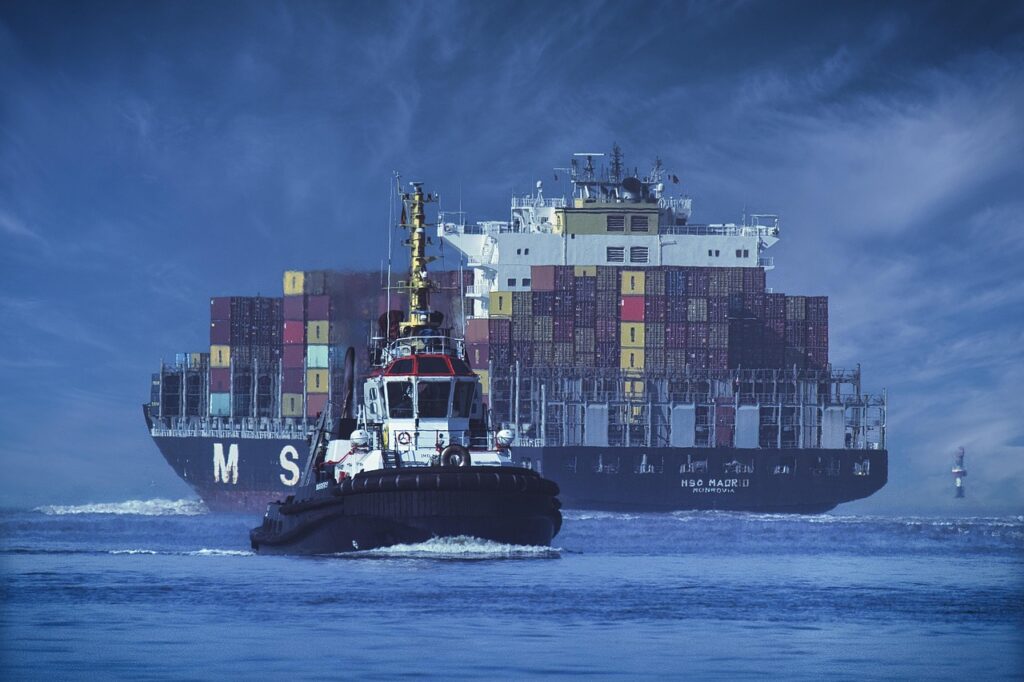
Global shipping is the backbone of international trade. It involves the transportation of goods across borders, connecting producers with consumers worldwide. Traditionally, this industry has been dominated by large shipping lines and logistics companies. However, as technology and market conditions evolve, smaller players are increasingly finding their place within this ecosystem.
Key Changes Shaping Global Shipping
-
Digital Platforms and E-Commerce
The rise of e-commerce has significantly affected global shipping dynamics. Online marketplaces like Amazon, Alibaba, and Shopify have democratized access to global markets for small and medium-sized enterprises (SMEs).
- Online Marketplaces: Platforms enable SMEs to list and sell their products globally without needing a physical storefront. This has increased competition, pushing shipping providers to offer better services.
- Consumer Expectations: With faster shipping times and transparent tracking systems now standard in e-commerce, businesses are compelled to meet these higher consumer expectations.
-
Advanced Technology and Automation
Technological advancements are reshaping how shipping companies operate, making them more efficient and cost-effective.
- Automation in Warehousing: Automation tools, such as robots and AI, streamline warehouse operations, reducing overhead costs and increasing speed.
- Blockchain Technology: This technology improves transparency and traceability in shipping, fostering trust between parties. Blockchain can simplify paperwork, reduce fraud, and streamline payment processes.
-
Emergence of Startups
A burgeoning startup ecosystem is bringing innovation to global shipping, providing niche services that challenge traditional logistics models.
- Freight Forwarding Startups: Companies like Flexport and ShipBob offer smart logistics solutions that simplify the shipping process for smaller businesses, often at a lower cost compared to established players.
- Crowdsourced Delivery Services: Apps like Postmates and Uber Freight allow individuals to provide shipping services, making delivery options more accessible and affordable.
-
Regulatory Changes and Trade Agreements
Trade agreements and international regulations play a vital role in shaping the shipping landscape.
- Reduced Tariffs: Many countries have signed agreements to reduce tariffs on imported goods, enabling businesses to reach new markets at lower costs.
- Simplified Customs Procedures: Modernizing customs processes helps expedite cross-border shipping, benefiting small businesses that lack the resources to navigate complex regulations.
-
Sustainability and Environmental Concerns
Growing awareness of environmental issues is driving changes in the shipping industry, which now prioritizes sustainability.
- Eco-friendly Shipping Options: Companies are increasingly offering green logistics solutions, like carbon-neutral shipping or using electric vehicles for local deliveries, allowing businesses to meet consumer demands for responsible shipping practices.
The Shift Toward Inclusivity
Impact on Small and Medium Enterprises (SMEs)
Democratization in global shipping primarily benefits SMEs, which make up a substantial portion of the global economy. By gaining access to affordable and efficient shipping solutions, SMEs can compete on a level playing field with larger corporations.
- Global Expansion: Companies no longer need a hefty budget to enter international markets. This goes beyond just selling products; SMEs can now leverage global supply chains to source materials and products from around the world.
- Customization and Flexibility: With the rise of diverse logistics providers, SMEs can select shipping options that meet their specific needs, whether that’s faster delivery, lower costs, or specialized handling.
Case Study: A Small Business Success Story
A Local Artisan Bakery
Imagine a small artisan bakery located in a rural town, renowned for its unique recipes and high-quality ingredients. Traditionally, expanding beyond local clientele would have been cost-prohibitive. However, thanks to democratized shipping, this bakery can now market and sell its baked goods internationally through an online e-commerce platform.
- Using an Online Marketplace: The owner sets up an online store on Shopify, allowing customers worldwide to place orders.
- Partnering with a Freight Forwarder: They collaborate with a freight forwarding startup that uses technology to provide affordable shipping rates and track packages in real time.
- Expanding Reach: The bakery can now enter markets it could never have reached before, all while maintaining its artisan quality and brand identity.
Challenges Ahead
While there are many positive developments in the global shipping landscape, challenges remain that could threaten the path toward democratization.
1. Regulatory Barriers
- Complex Regulations: Although regulatory changes have favored ease of shipping, differences in international regulations can still create obstacles for smaller businesses.
- Compliance Costs: SMEs may struggle with compliance costs associated with customs and import/export regulations depending on their target markets.
2. Competition and Market Saturation
- Increased Competition: As more businesses adopt e-commerce and shipping solutions, the market could become oversaturated, making it harder for some players to differentiate themselves.
- Price Wars: Intense rivalry could lead to price wars, potentially harming profitability for smaller shipping providers.
3. Environmental Constraints
- Sustainability Regulations: As environmental regulations evolve, companies that do not adhere could face fines or exclusion from certain markets.
Conclusion
The global shipping industry is undergoing significant changes, transforming into a more democratized landscape that benefits businesses of all sizes. By embracing technology, fostering innovation, and ensuring regulatory frameworks adapt to modern needs, the shipping industry is becoming more accessible than ever.
As we look to the future, continuing to address existing challenges will be essential to ensuring that this democratization benefits a diverse range of businesses, empowering them to thrive in an increasingly globalized economy.