Skip to content


In todays logistics landscape, platform-based freight systems are revolutionizing how businesses engage with their customers by providing enhanced visibility and real-time tracking, ensuring that customer needs take center stage in every delivery.
# Why Platform-Based Freight Is More Customer-Focused
In the rapidly evolving landscape of logistics and supply chain management, platform-based freight systems are redefining how we perceive customer-centric services. The integration of digital platforms in the freight industry provides unprecedented opportunities for enhancing customer experience through improved visibility, convenience, and efficiency. This article explores the reasons why platform-based freight is more customer-focused, backed by practical examples and insights.
Understanding Platform-Based Freight
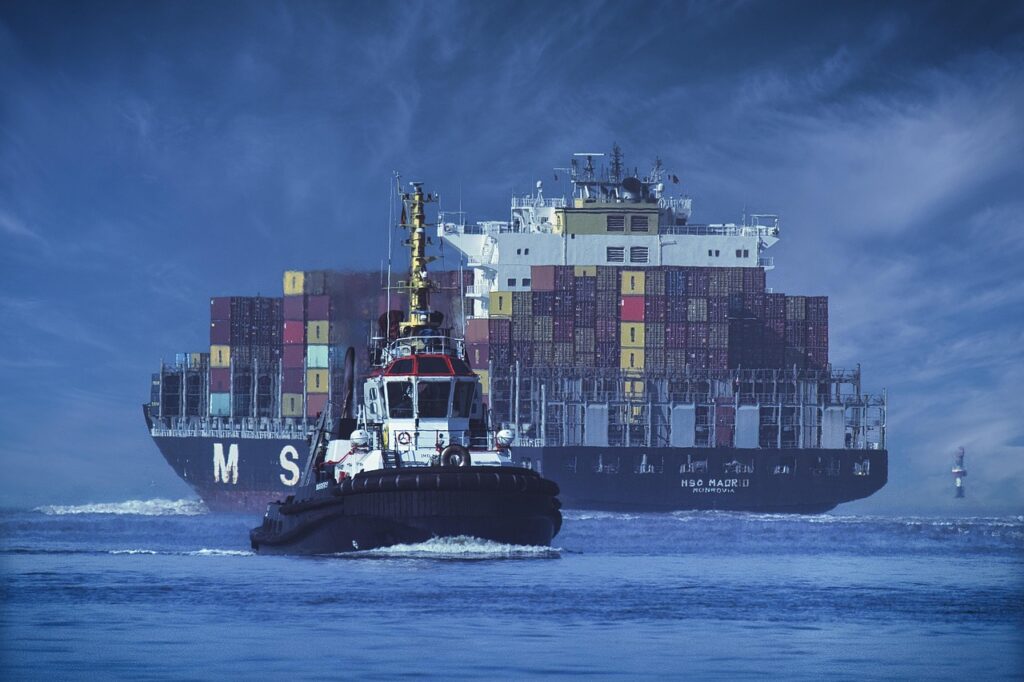 Before diving into its customer-centric attributes, it's essential to understand what platform-based freight means. Unlike traditional freight systems that rely heavily on manual processes and fragmented operations, platform-based freight utilizes technology-driven solutions to connect shippers, carriers, and freight forwarders in a cohesive digital environment. This approach optimizes the movement of goods while placing a strong emphasis on meeting customer needs.
Key Features of Platform-Based Freight
The evolution of technology has introduced several features that distinguish platform-based freight from traditional methods. Here are some of the most significant attributes:
1. Real-Time Tracking and Transparency
One of the primary benefits of platform-based freight is the transparency it offers. Shippers and customers can track their shipments in real-time, providing accurate updates related to delivery times, delays, and any potential issues.
Example:
A company using a platform-based freight service can send automated notifications to customers via email or SMS, allowing them to see the precise location of their goods in transit. This transparency reduces anxiety and increases customer trust.
2. Automated Processes
Automating various aspects of freight management—such as booking, invoicing, and documentation—streamlines operations and reduces errors. This efficiency directly benefits customers by ensuring timely and accurate services.
Example:
Many platforms allow shippers to book transport online without the need for phone calls or paperwork. Such automation not only saves time but also enhances customer satisfaction by simplifying the freight process.
3. User-Friendly Interfaces
Platform-based freight systems often prioritize user experience, with intuitive interfaces that facilitate ease of use. Customers, from small businesses to large enterprises, find it easier to navigate these platforms, access needed services, and receive support.
Example:
A shipper unfamiliar with freight logistics may utilize a platform with guided workflows, step-by-step tutorials, and readily accessible customer support—all of which smooth the entry process into the world of freight logistics.
How Platform-Based Freight Enhances Customer Focus
Now that we've outlined some key features of platform-based freight, let’s delve into the specific ways these systems enhance customer focus.
1. Personalized Services
Digital freight platforms allow for data collection and analysis, enabling companies to tailor their services to individual customer needs. By understanding customer preferences and behaviors, providers can create personalized shipping solutions.
Example:
Using customer data, a freight platform can suggest the most relevant shipping options based on past preferences, volume, and specific requirements (e.g., temperature-sensitive goods), thereby enhancing the overall customer experience.
2. Improved Communication
Effective communication is critical in logistics. Platform-based freight solutions often incorporate communication tools—such as chat features or customer service dashboards—to ensure that customers can easily communicate with service providers.
Example:
A shipper can quickly resolve any issues by chatting directly with a carrier representative through the platform, reducing waiting times and enhancing satisfaction.
3. Flexibility and Scalability
In a business landscape that is constantly changing, flexibility and scalability are crucial. Platform-based freight systems allow customers to adjust their shipping volumes and service types based on current demands.
Example:
A seasonal business can ramp up shipping capacity during peak seasons and scale down during quieter periods without facing the penalties or complications typically associated with traditional contracts.
4. Cost Transparency
Platform-based freight often comes with clear pricing structures and no hidden fees, allowing customers to understand the cost of their logistics operations more clearly. This transparency can lead to more equitable pricing and fewer disputes.
Example:
Customers can compare rates across different carriers easily and choose options that best fit their budgets and service needs—all in one interface, enabling informed decision-making.
5. Enhanced Delivery Options
With an extensive network of carriers available through digital platforms, customers can access various delivery options, including same-day, next-day, and specialized logistics (like white-glove service).
Example:
A customer can choose to have a high-value item delivered the same day by selecting from a list of available carriers with the necessary capabilities, enhancing service levels and customer satisfaction.
Case Study: Convoy's Digital Freight Network
To illustrate the principles of customer focus in platform-based freight, let’s take a look at Convoy, a technology company that has transformed freight logistics through its digital platform. Convoy's services are designed with a strong focus on customer experience, clearly demonstrating how a platform-based approach benefits customers.
Features of Convoy's Platform:
- Real-Time Load Tracking: Customers can see where their loads are at any moment, allowing for better inventory and supply chain management.
- Automated Load Matching: By automating the process of connecting shippers and carriers, Convoy cuts down on wasted time and resources.
- Sustainability Focus: Convoy provides customers with carbon reduction tracking, helping them to meet sustainability goals without sacrificing service quality.
Results for Customers
Convoy’s platform has led to improved delivery times, better communication, and cost savings for its customers. By focusing on technology, the company empowers shippers and carriers to optimize their operations, thereby enhancing customer satisfaction at every stage of the freight process.
Conclusion
Platform-based freight is revolutionizing the logistics landscape by placing customers at the forefront of its operations. Through real-time tracking, automated processes, personalized services, improved communication, and cost transparency, customer satisfaction is noticeably enhanced.
As businesses look for ways to improve their service delivery and customer experience, adopting platform-based freight solutions not only meets these needs but also prepares them for a future where logistics are increasingly interconnected and data-driven. By emphasizing customer focus, these platforms are shaping a more responsive, flexible freight ecosystem that ultimately benefits everyone involved.