Skip to content

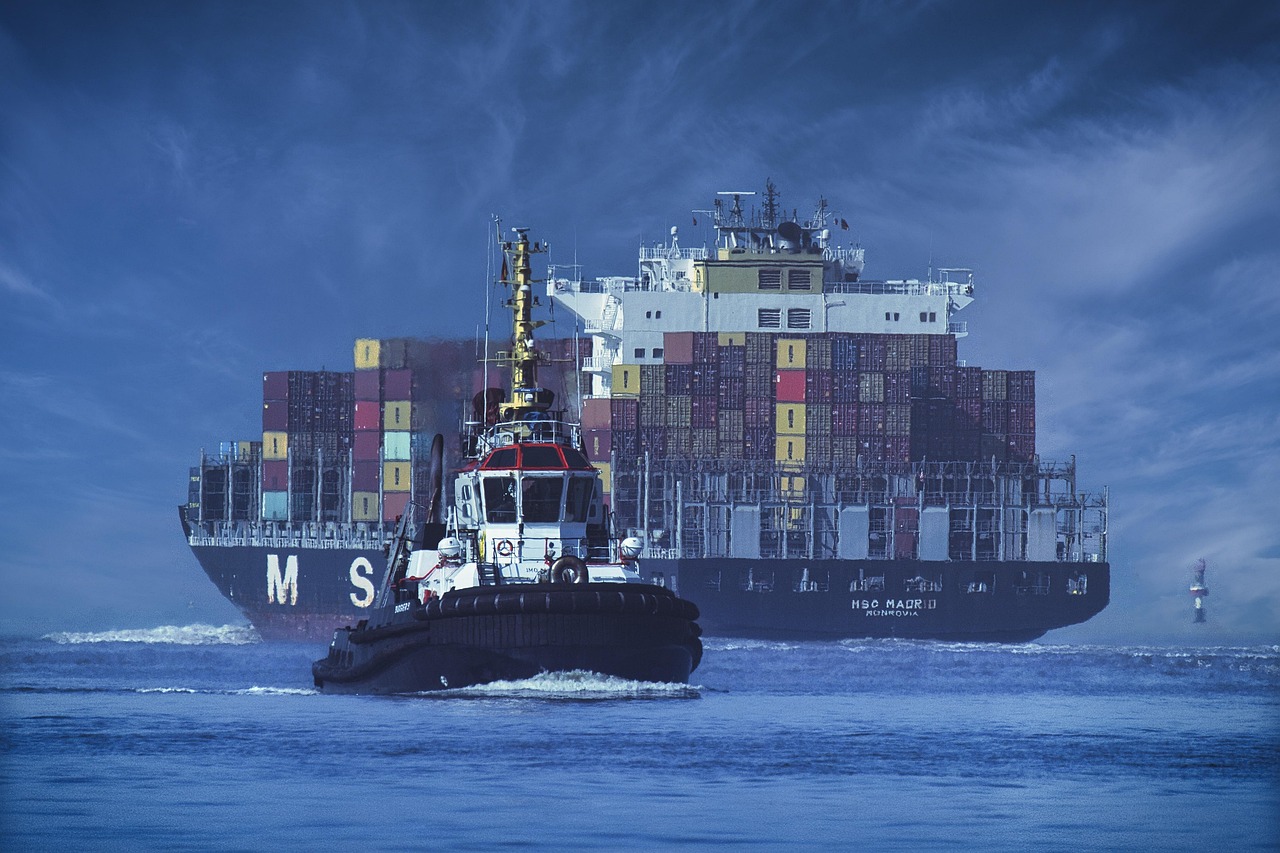
African SMEs are breaking barriers and reaching new heights by connecting with global transporters, paving the way for enhanced logistics, expanded market access, and increased profitability. Discover how these dynamic partnerships are transforming the landscape for businesses across the continent!
In the rapidly evolving business landscape, African Small and Medium Enterprises (SMEs) are increasingly recognizing the value of global connectivity in order to expand their reach, enhance operational efficiency, and increase profitability. One of the most significant enablers of this trend is the strategic partnership with global transporters. This blog post will delve into the ways African SMEs are making these connections, the benefits of such partnerships, and real-life examples that illustrate this emerging dynamic.

Small and Medium Enterprises play a vital role in the African economy. According to the African Development Bank, SMEs account for over 90% of all businesses and employ around 60% of the continent’s workforce. These enterprises are pivotal in job creation and the provision of goods and services, but they often face significant challenges, including limited access to finance, poor infrastructure, and lack of exposure to international markets.
For SMEs, engaging with global transporters opens a door to new markets, facilitates the import and export of goods, and enhances overall competitiveness. By connecting with international transport providers, African SMEs can overcome logistical hurdles that have historically impeded their growth.
Digital Platforms
One of the most significant advancements aiding African SMEs in connecting with global transporters is the rise of digital platforms. Online marketplaces and freight platforms like Freightos and Cargojob allow SMEs to compare transportation rates, book shipments, and track deliveries in real-time. This democratization of shipping information allows businesses to make informed decisions.
Case Study: Flutterwave
Flutterwave, a Nigerian fintech company, provides payment solutions that enable SMEs to transact across any border. With the introduction of an e-commerce framework that integrates logistics, SMEs can easily access global market opportunities.
Collaborative Networks
Many African SMEs are forming partnerships with global transport firms to access better rates and services. These collaborations often involve aggregating shipments, which helps in reducing costs and maximizing efficiency.
Example: Jumia
Jumia, often referred to as the “Amazon of Africa,” has partnered with international logistics companies to streamline its operations. By collaborating with global transporters, it has improved its delivery services and increased customer satisfaction across several African nations.
Government Initiatives
Various governments in Africa have recognized the potential of SMEs and are launching support programs aimed at facilitating international logistics. For instance, the African Union’s Agenda 2063 encourages cross-border trade and infrastructural growth to connect African SMEs with global markets.
Example: The Export-Import Bank of South Africa
This institution assists SMEs with export financing and provides necessary training on logistics management. By empowering SMEs through such initiatives, they can strengthen their network with international transporters.
Connecting with global transporters allows SMEs to enhance their supply chains. Through partnerships, they benefit from:
Engaging with international transport solutions enables SMEs to explore global markets, find new customers, and broaden their sales base. This exposure is vital for growth in today’s connected economy.
By leveraging the capabilities of global transporters, African SMEs can provide better service delivery, improving customer satisfaction and loyalty. This competitive advantage is crucial in attracting and retaining clients in an increasingly competitive landscape.
Partnering with global transport services often comes with the added benefit of knowledge transfer. SMEs can learn about best practices in logistics, inventory management, and customer service, contributing to overall business growth.
Despite the opportunities available, African SMEs often face significant challenges related to inadequate transport infrastructure. Poor roads, insufficient logistics networks, and limited access to ports can hamper efforts to connect internationally.
Navigating international trade regulations can be daunting for SMEs, with complex customs procedures, taxes, and tariffs varying by destination. The need for comprehensive regulatory knowledge is crucial in maintaining smooth operations.
Many SMEs struggle to access the necessary funding to collaborate with global transporters. High shipping costs can be a barrier, particularly for startups or businesses with limited capital.
With the ongoing digitization of the logistics industry, we can expect an increase in online platforms dedicated to connecting SMEs with transport services. Tools such as AI and machine learning will pave the way for smarter logistics solutions that are efficient and cost-effective.
As global warming and environmental concerns grow, there will be a greater focus on sustainable transport solutions. African SMEs that adapt to greener practices may find additional support and market opportunities.
Governments will likely continue to foster environments conducive to facilitating trade. With reforms in customs regulations and investment in infrastructure, the future looks promising for African SMEs seeking to connect with global transporters.
The connection between African SMEs and global transporters represents a critical avenue for growth, unlocking opportunities for businesses across the continent. With the right technological tools, strategic partnerships, and government support, African SMEs can overcome existing challenges and thrive in the global market. As these enterprises continue to evolve, the integration of logistics and transportation will be a defining factor in shaping Africa’s economic landscape.