How Buyers Can Secure Better Freight Deals Online
In the ever-evolving landscape of global trade, securing the best freight deals is a critical component for businesses looking to thrive. With the rise of e-commerce and digital platforms, buyers now have unprecedented access to a wide array of logistics providers. However, navigating this marketplace can be daunting. This article explores effective strategies buyers can use to secure better freight deals online, ensuring they get the best value for their shipping needs.
Understanding the Freight Landscape
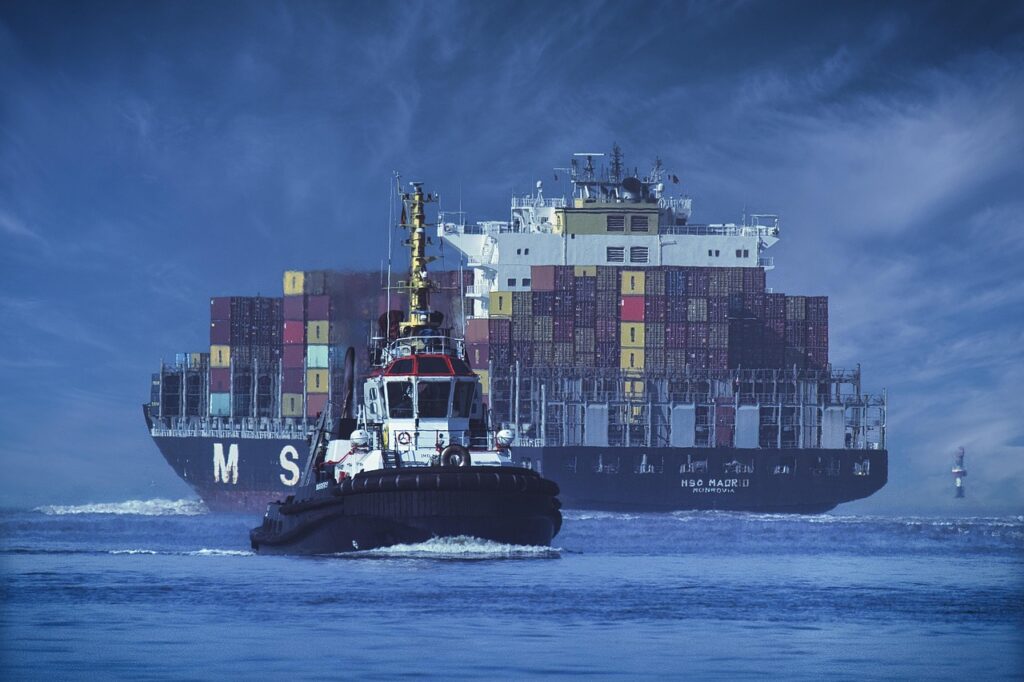
Before diving into strategies, it’s essential to comprehend the factors that influence freight pricing. Multiple components play a role, including:
- Mode of Transport: Options include air, sea, rail, and road, each with its own cost structure and time frame.
- Weight and Volume: Heavier or bulkier shipments typically incur higher costs.
- Distance: Longer routes usually result in increased charges.
- Seasonality: Demand can fluctuate, affecting prices depending on the time of year.
- Fuel Costs: The price of fuel directly impacts shipping rates.
Being aware of these factors helps in understanding why freight costs vary and aids in negotiating better deals.
1. Leverage Online Freight Marketplaces
Online freight marketplaces act as intermediaries between shippers and carriers. They offer a platform for buyers to compare rates from multiple service providers quickly. Key examples include:
Pros of Using Online Marketplaces
- Comparative Rates: Instantly see various quotes based on your shipment’s specifics.
- Diverse Options: Access to numerous carriers means more choices in service levels and pricing.
- Transparency: Detailed information on service levels and reviews breaks down options.
- Input Accurate Information: Ensure that you provide precise details about your shipment, including dimensions, weight, and destination.
- Review Carrier Ratings: Look for feedback and ratings on carriers to ensure reliability.
- Negotiate Rates: Some platforms allow negotiation, so don’t hesitate to reach out to carriers for better deals.
2. Build Relationships with Freight Forwarders
A reliable freight forwarder can be an invaluable asset. Freight forwarders are intermediaries that manage shipping logistics and can often secure better shipping rates due to established relationships with carriers.
Benefits of Working with Freight Forwarders
- Expertise: They have a deep understanding of regulations, documentation, and logistics.
- Negotiation Power: Long-term relationships often mean better negotiated rates for clients.
- End-to-End Services: They can handle customs clearance and paperwork, reducing your administrative burden.
Tips for Choosing a Freight Forwarder
- Verify Credentials: Ensure that the forwarder has the necessary licenses and insurance.
- Ask for References: Reliable forwarders should be able to provide testimonials or case studies.
- Evaluate Technology: Modern freight forwarders leverage technology, offering real-time tracking and updates.
3. Utilize Freight Rate APIs
For tech-savvy buyers, integrating freight rate APIs into their existing systems can lead to automated procurement processes. These APIs pull real-time rates from multiple carriers, enabling instant comparisons and better decision-making.
Advantages of Using Freight Rate APIs
- Automation: Streamlines the quoting process, saving time and reducing errors.
- Real-time Information: Access to current rates ensures that buyers are always looking at the best possible prices.
- Custom Integrations: APIs can be tailored to fit into existing logistics or inventory management systems.
Recommended Freight Rate APIs
- Freightos API: Offers access to real-time rates from various carriers.
- Transporeon: Provides data on capacity and price trends.
- Project44: Integrates with existing systems for enhanced supply chain visibility.
4. Timing Your Shipments
One of the most important strategies to secure better freight deals is understanding the timing of your shipments. Fill your container and avoid shipping during peak seasons whenever possible.
Consider Seasonal Trends
- Peak Shipping Times: Avoid shipping during holidays or events that drive up demand.
- Spot Rates: At times when demand is low, spot rates may provide better options; keep an eye on market fluctuations.
Plan Ahead
- Schedule Shipments in Advance: Booking early can help lock in lower rates.
- Monitor Market Trends: Follow industry news to anticipate potential rate changes based on market conditions.
5. Negotiate like a Pro
Effective negotiation is pivotal in securing the best freight deals. Understanding the levers of negotiation can lead to significant savings.
Key Negotiation Tips
- Know Your Volume: High volumes can lead to discounts; ensure to showcase your shipment frequency.
- Create Competitive Tension: Use quotes from other carriers to negotiate lower rates.
- Build Long-term Relationships: Establishing rapport with carriers may yield greater flexibility and discounts over time.
6. Seek Volume Discounts
If your business involves frequent shipping needs, consider seeking volume discounts. Many providers offer scaled pricing based on higher shipment volumes.
How to Approach Volume Discounts
- Assess Shipping Patterns: Analyze your shipping history to understand volumes and patterns.
- Present Your Case: When approaching carriers, present your potential shipment frequency as a basis for negotiation.
- Compare Offers: Don’t settle for the first offer; always seek multiple options and utilize them to negotiate effectively.
Conclusion
Securing better freight deals online requires thorough preparation, strategic planning, and a good understanding of the logistics marketplace. By leveraging online marketplaces, building strong relationships with freight forwarders, utilizing technology like freight rate APIs, and employing smart shipping practices, buyers can make informed decisions that yield significant savings. Whether you are a small business owner or a logistics manager, using these tips will help you navigate the freight landscape effectively and ensure that your shipments are cost-effective and timely.