Skip to content


Emerging markets are brimming with opportunities, but businesses must be prepared to tackle the unique freight challenges in emerging markets that can complicate logistics and increase costs. By understanding these hurdles, companies can strategize effectively and ensure their operations thrive in these dynamic environments.
Emerging markets are hotbeds of economic activity, offering promising opportunities for businesses looking to expand their operations. However, navigating the logistics landscape in these markets can present a set of unique challenges, particularly in freight management. This article explores common freight challenges in emerging markets and offers strategies to effectively address them.
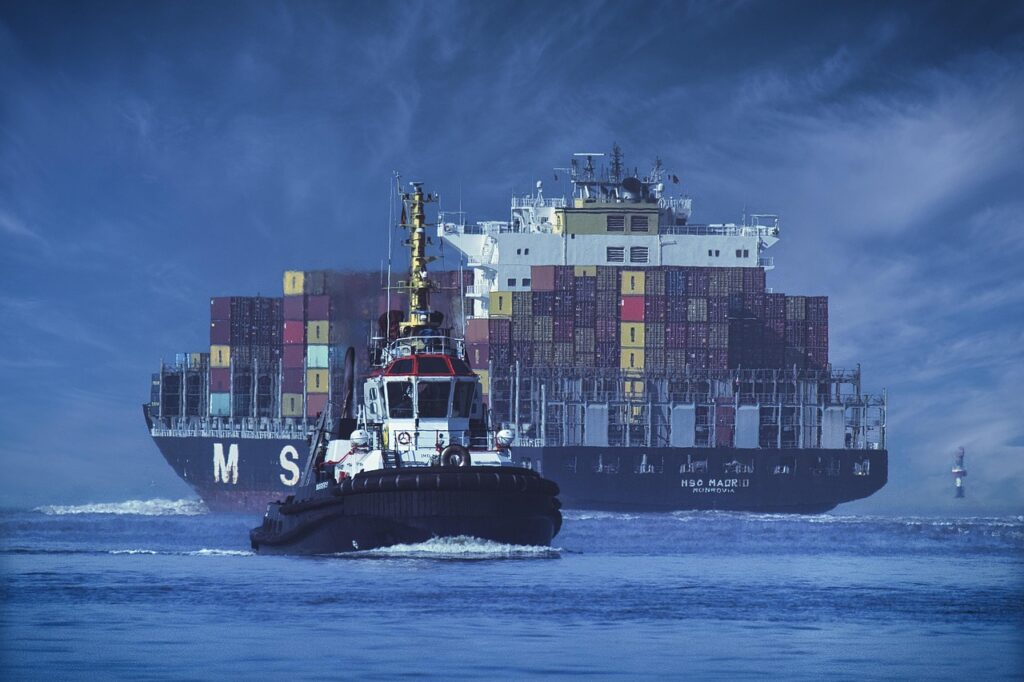
Emerging markets, characterized by rapid growth and development, often expose businesses to specific freight challenges, including:
Many emerging markets lack robust transportation infrastructure. Poorly maintained roads, insufficient ports, and inadequate warehousing facilities can delay the movement of goods, leading to increased shipping times and costs.
In Africa, many countries face severe road network issues, making it difficult for freight to reach its destination on time. This can lead to a reliance on air freight, which is significantly more expensive.
The regulatory framework in emerging markets can be unpredictable. Changes in tolls, tariffs, and customs requirements can create significant hurdles for businesses.
India has experienced frequent modifications in its Goods and Services Tax (GST) regulations, affecting logistics operations and costs for freight carriers.
Political unrest and economic fluctuations can severely impact supply chains. Changes in government or civil unrest can lead to unpredictable logistics challenges, including border closures and transport disruptions.
In Venezuela, economic instability and sanctions have led to significant challenges in import/export operations, affecting freight and logistics services.
Many emerging markets may not have adopted advanced logistics technologies, making processes less efficient and more prone to errors.
In Southeast Asia, some logistics providers still rely on manual processes, which can lead to delays in tracking shipments and miscommunication.
The availability and training of skilled labor can be a challenge in emerging markets. A lack of qualified workers affects freight handling, warehousing, and customer service.
In countries like Nigeria, while the population is vast, the lack of technical training programs for logistics professionals can hinder efficient freight operations.
While navigating these freight challenges can be daunting, several strategies can help businesses optimize their logistics in emerging markets.
Forming partnerships with reputable local logistics providers can mitigate many challenges. Local partners understand the regional landscape, including legal requirements and infrastructure limitations.
Invest in modern logistics technology to streamline operations. Technologies such as tracking systems, automated warehouses, and inventory management software improve efficiency.
Creating a flexible and resilient supply chain is crucial. Businesses should diversify their supply sources to reduce dependence on any single region or supplier.
Investing in workforce training ensures that employees are well-prepared to handle the nuances of freight management in emerging markets. This can improve service quality and operational efficiency.
Regular risk assessments help businesses anticipate potential disruptions. By staying informed of political, economic, and environmental changes, companies can develop contingency plans.
Choosing the right transportation mode can impact cost and delivery time. Companies must analyze the market conditions and select the most suitable options for their logistics needs.
Implementing best practices tailored to emerging markets can further enhance freight management strategies.
Maintain open lines of communication with all stakeholders, including suppliers, freight forwarders, and customers. Regular updates help mitigate misunderstandings and enhance collaboration.
Freight insurance protects against loss or damage during transit. Given the unpredictability in emerging markets, securing insurance can provide valuable peace of mind.
Understanding customer needs and preferences in emerging markets is critical. Businesses should tailor their services to meet local demands and expectations effectively.
Continuously monitor geopolitical and economic trends that might impact logistics operations. Joining industry associations and attending trade shows can also provide valuable insights.
Utilizing data analytics enables companies to make informed decisions regarding inventory management, forecasting, and route optimization.
Handling freight challenges in emerging markets requires a proactive approach, a willingness to adapt, and a commitment to building strong local partnerships. By investing in technology, training, risk management, and customer relationships, businesses can thrive in these dynamic environments. While the challenges are significant, the rewards can be even greater for those willing to navigate the complexities of logistics in emerging markets.