Skip to content

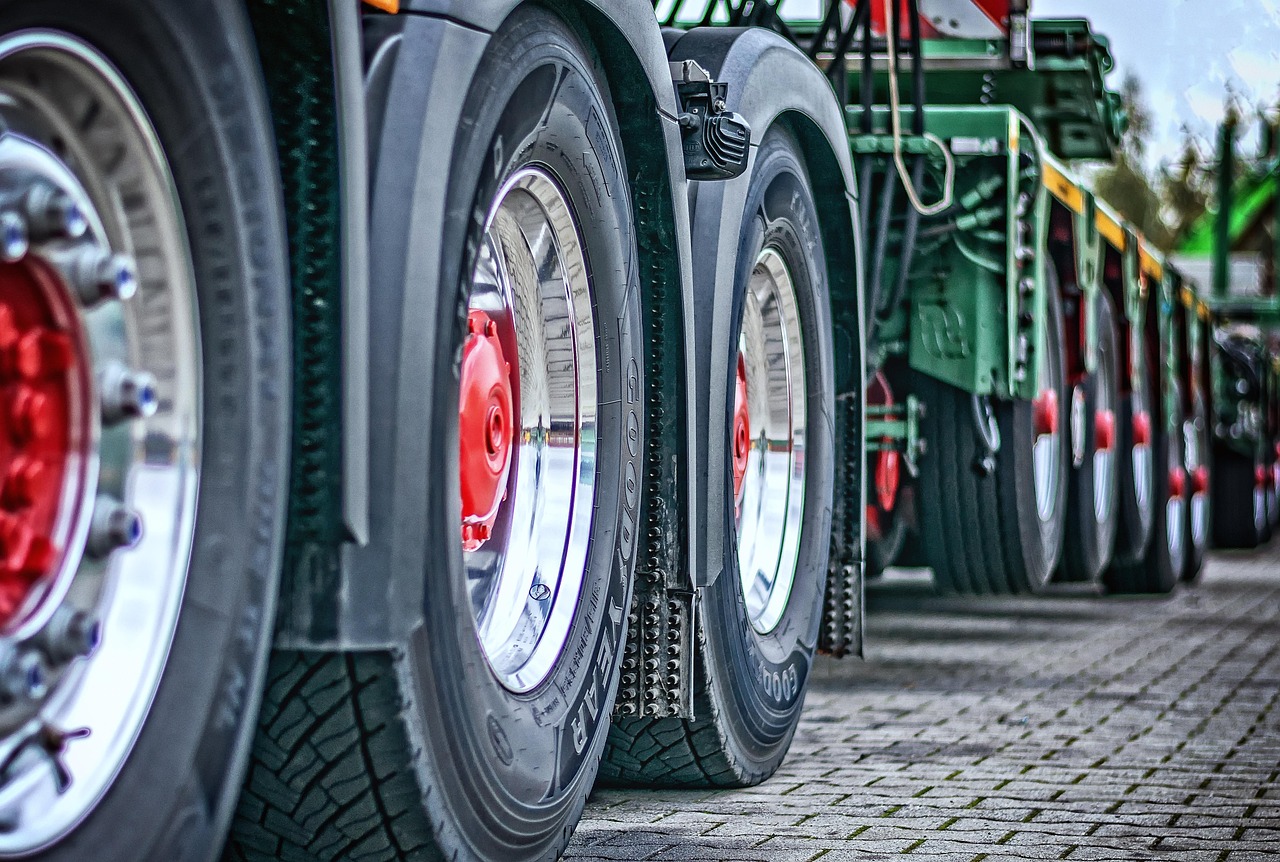
In todays fast-paced world, the demand for reliable transporters has skyrocketed, driven by the booming e-commerce market and the need for efficient logistics. As businesses strive to meet customer expectations for quick and dependable delivery, the importance of partnering with reliable transporters has never been greater.
# Why Reliable Transporters Are in High Demand
Transportation plays a crucial role in modern society, affecting everything from commerce to personal mobility. As economies grow and expand, the demand for efficient and dependable transportation services has surged. In this article, we'll delve into the reasons why reliable transporters are in high demand, examining different facets of the industry, customer expectations, and future trends.
The Backbone of Global Trade
1. E-commerce Boom
One of the primary drivers behind the increased demand for reliable transporters is the exponential growth of e-commerce. According to recent data, global e-commerce sales surpassed $4 trillion in 2020, and this number continues to rise. With consumers expecting rapid delivery times, businesses are compelled to partner with transporters who can guarantee timely and secure shipments.
Example:
Retail giants like Amazon have heavily invested in their logistics networks to ensure that customers receive their products within hours or days. This level of service has set a benchmark that smaller retailers must strive to meet, increasing the demand for reliable transporters.
2. Just-In-Time (JIT) Inventory Management
Companies worldwide are adopting Just-In-Time inventory strategies to minimize costs. JIT relies heavily on dependable transportation to deliver goods precisely when they are needed, reducing the need for excessive warehousing and inventory holding.
Advantages of JIT:
- Cost Efficiency: Reduces storage costs and improves cash flow.
- Waste Reduction: Minimizes overproduction and excess inventory.
- Flexibility: Helps businesses adapt quickly to market changes.
3. Global Supply Chains
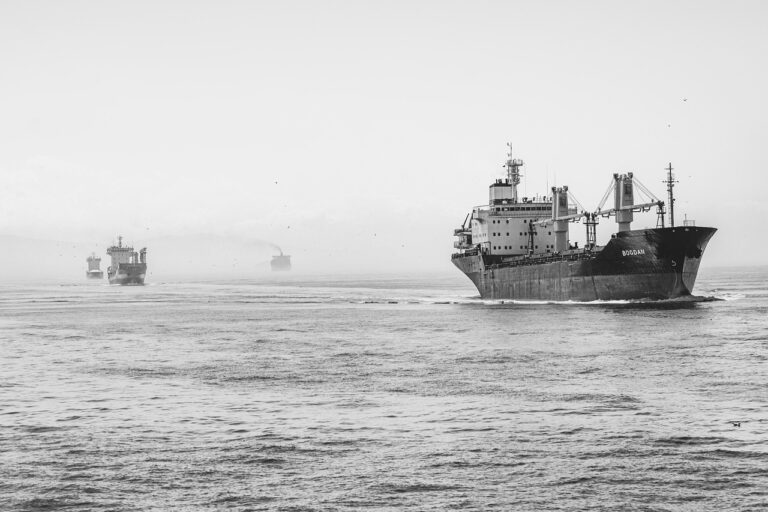
The globalization of supply chains has created a need for transporters who can handle complex logistics across international borders. Different regulations, customs protocols, and varying infrastructure conditions make it essential to have reliable transporters who are well-versed in international transport and can navigate these challenges.
4. Growing Urban Mobility Needs
As urban areas continue to swell due to population growth, there is an increased demand for reliable transport options. Whether it’s public transport systems, ridesharing services, or courier delivery services, the need for reliable transport solutions in cities is becoming more apparent.
Example:
Cities like New York and London have seen a rise in demand for ridesharing services like Uber and Lyft, where reliability and customer experience are critical for retaining users.
Customer Expectations and the Role of Technology
1. Enhanced Customer Expectations
Today's consumers expect not only timely delivery but also a high level of service. They seek real-time tracking of their orders and transparency throughout the shipping process. Reliable transporters are increasingly using technology to meet these expectations.
Features Customers Look For:
- GPS Tracking: Provides real-time updates on the location of shipments.
- Customer Support: Quick-response customer service for problem resolution.
- Flexible Options: Various delivery options, including same-day and scheduled deliveries.
2. Adoption of Technology
Advancements in technology have allowed transporters to improve their operations significantly. From route optimization software to automated inventory management systems, technology has become an integral part of the transportation process.
Tech Innovations:
- Artificial Intelligence (AI): Algorithms analyze traffic patterns for optimal routing, reducing delivery times.
- Blockchain: Improves transparency and security in transactions and shipment tracking.
- Internet of Things (IoT): Sensors monitor the condition of goods during transport, ensuring items arrive in optimal condition.
Challenges in the Transportation Industry
1. Regulatory Compliance
Transporters face a myriad of regulatory challenges, from environmental laws to safety standards. Meeting these regulations requires robust logistics management and reliability in operations. As stricter regulations come into play, the demand for compliant and dependable transporters will continue to grow.
2. Capacity Constraints
An increase in demand for transportation services often leads to capacity constraints. For instance, during peak seasons like holidays, transporters may struggle to meet the influx of shipments. Reliable transporters who can manage these seasonal fluctuations are increasingly sought after.
3. Fuel Price Volatility
Fuel price fluctuations can significantly impact transportation costs. Reliable transporters are those who have strategies to mitigate these effects, such as investing in fuel-efficient vehicles or optimizing routes to lower fuel consumption.
The Future of Transportation
1. Sustainability Concerns
As environmental awareness increases, so does the demand for sustainable transportation options. Consumers are more inclined to choose transporters who prioritize eco-friendliness, leading to the rise of electric and hybrid fleets.
Trends in Sustainable Transportation:
- Electric Vehicles (EVs): Companies are beginning to adopt EVs to reduce carbon footprints.
- Alternative Fuels: The exploration of hydrogen and biofuels as sustainable alternatives is underway.
- Carbon Offsetting: Some transporters are investing in carbon offset projects to neutralize their shipping emissions.
2. The Rise of Autonomous Vehicles
The advancements in autonomous vehicle technology are set to transform the transportation landscape. While fully self-driving transporters are still in the testing phase, the integration of automation in logistics is already proving beneficial.
Potential Benefits of Automation:
- Cost Reduction: Lower labor costs and increased efficiency.
- Safety: Automated systems can reduce human error, leading to safer roadways.
- 24/7 Operations: Autonomous vehicles can operate around the clock, addressing capacity constraints.
3. Emphasis on Last-Mile Delivery
The last mile – the final leg of the delivery process – is often the most complex and costly. As e-commerce continues to thrive, the focus on reliable last-mile delivery solutions will only intensify. Transporters who can innovate and streamline this aspect of logistics will be in high demand.
Strategies for Effective Last-Mile Solutions:
- Local Warehousing: Establishing local distribution centers to expedite delivery times.
- Drone Deliveries: Exploring drone technology for quick, efficient last-mile solutions.
- Crowdsourced Delivery: Utilizing independent drivers for flexible and scalable delivery options.
Conclusion
The demand for reliable transporters is at an all-time high, driven by e-commerce growth, evolving customer expectations, technological advancements, and the need for sustainable solutions. As the transportation industry continues to adapt to these changes, businesses that prioritize reliability will find themselves better positioned to thrive in a competitive marketplace. Looking ahead, the integration of innovative technologies and a commitment to customer satisfaction will be critical in maintaining this demand for reliable transport services.