How to Choose the Right Transport Mode for Your Cargo
Transporting cargo efficiently is crucial for businesses that rely on the smooth movement of goods. With multiple transport options available, choosing the right mode can impact costs, delivery times, and the condition of your products upon arrival. This guide will provide essential insights on how to choose the best transport mode for your cargo.
Understanding the Transport Modes
Before diving into the selection process, it’s important to understand the different transport modes available. The primary modes include:
1. Road Transport
- Definition: Transporting goods using trucks, vans, or other vehicles over land.
- Advantages:
- Flexible routes and schedules.
- Door-to-door delivery options.
- Ideal for short to medium distances.
- Disadvantages:
- Can be affected by traffic congestions and road conditions.
- Limited capacity compared to other modes like rail or sea.
2. Rail Transport
- Definition: The movement of cargo via trains on established tracks.
- Advantages:
- Cost-effective for large volumes over long distances.
- Environmentally friendly with lower emissions.
- Disadvantages:
- Limited to routes with rail infrastructure.
- Slower than road transport for short distances.
3. Air Transport
- Definition: The transport of goods using aircraft.
- Advantages:
- Fastest option for long distances.
- Ideal for high-value, low-volume cargo.
- Disadvantages:
- Higher costs compared to other modes.
- Limited capacity and potential restrictions on certain goods.
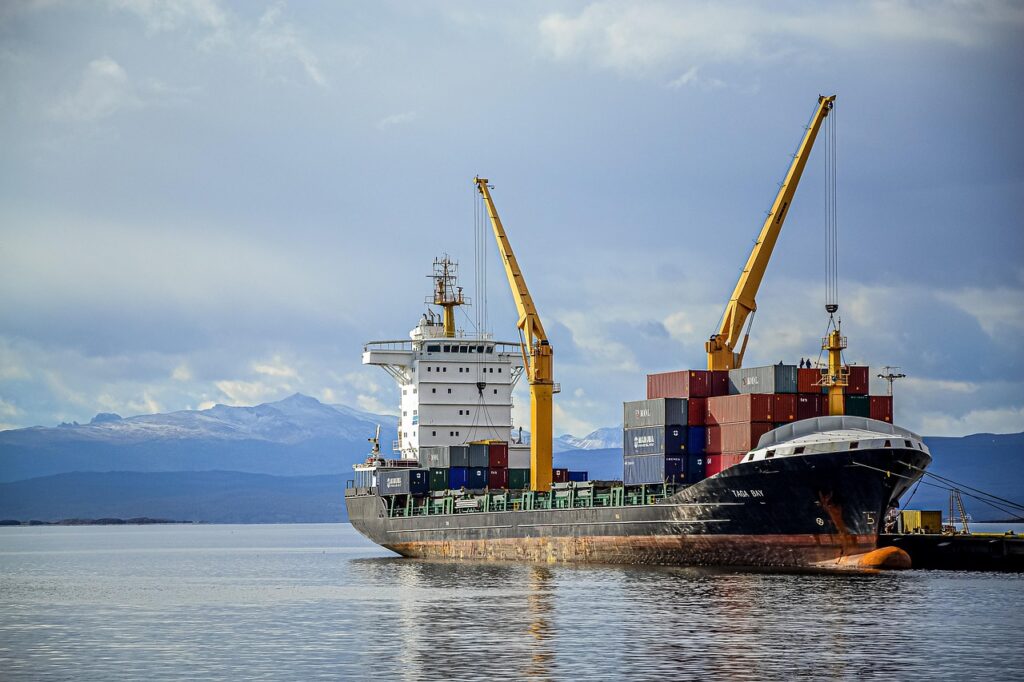
4. Sea Transport
- Definition: Moving goods through shipping containers on vessels.
- Advantages:
- Cost-effective for bulk and heavy goods.
- Suitable for long-distance international shipments.
- Disadvantages:
- Longer transit times compared to air and road transport.
- Dependent on port infrastructure.
Factors to Consider When Choosing a Transport Mode
Now that we have an overview of the transport modes, several factors will help in making your selection.
1. Type of Cargo
Different cargo types require different transport considerations:
- Perishable Goods: Air transport is generally preferred for perishables to ensure freshness.
- Hazardous Materials: Certain modes may have restrictions for hazardous cargo. Road and sea transport may include special regulations.
- Heavy Industrial Equipment: Rail or sea transport is more suitable due to the large size and weight.
2. Distance
The distance from the origin to the destination plays a critical role in choosing a transport mode:
- Short Distances: Road transport is often the best option due to its flexibility and speed.
- Long Distances: For longer journeys, rail and sea transport may provide a better balance of cost and delivery time.
3. Cost Implications
Budget constraints can significantly influence your choice:
- Low-Cost Priority: Sea transport may be a better choice for large shipments, while rail can also offer significant savings for bulk goods.
- Time-Sensitive Deliveries: If your cargo needs to arrive quickly, the higher costs of air transport may be justified.
4. Transit Time
Understanding your delivery timeline is crucial. Different modes have varying transit times:
- Immediate Needs: Air transport provides the fastest option, but at a higher price.
- Flexible Timelines: If timing is not critical, sea and rail transport can be cost-effective solutions.
5. Frequency of Shipments
Your shipping needs can dictate your transport mode:
- Regular Shipments: Establishing a routine with a certain carrier might allow for better rates and improved logistics.
- Occasional One-off Shipments: For irregular shipments, more flexible options like road transport may be more convenient.
6. Delivery Location
The final destination of your cargo can also influence your transport mode:
- Remote Areas: Road transport may be necessary if rail or sea access is limited.
- Urban Centers: Both road and rail could be viable, but often road is preferred for the final leg of delivery.
Case Studies: Transport Mode Selection in Action
Example 1: An E-commerce Firm
Company Profile: An online retailer shipping electronics.
Transport Needs: High-value, time-sensitive items that need to reach customers within two days.
Chosen Mode:
- Air Transport was selected despite higher costs due to the urgency and value of the cargo. This ensured fast delivery and customer satisfaction.
Example 2: A Manufacturer of Construction Materials
Company Profile: A manufacturer of heavy building materials.
Transport Needs: Large volumes being shipped to construction sites.
Chosen Mode:
- Rail Transport was selected for its cost-efficiency and ability to handle bulk shipments. This mode provided a significant savings over road transport for long-distance deliveries.
Example 3: An Importer of Tropical Fruit
Company Profile: An importer of perishable goods.
Transport Needs: Fresh produce requiring a fast route to maintain quality.
Chosen Mode:
- Air Transport was the optimal choice, ensuring the fruit arrived fresh, even though it was more expensive than shipping by sea.
Making the Decision
Once you have assessed your specific needs against the factors discussed, the next step is to analyze your options further. Here’s a checklist to make your decision easier:
Decision-Making Checklist
- Cargo Type: What are you shipping?
- Distance: How far is the delivery?
- Budget: What are your cost constraints?
- Timeline: How urgent is the delivery?
- Destination: Where is the final delivery location?
- Frequency: How often do you ship these goods?
Conclusion
Choosing the right transport mode for your cargo is a decision that involves careful consideration of different factors, including type of cargo, distance, cost, transit time, delivery location, and shipment frequency. By analyzing these elements clearly, you can select the most efficient and cost-effective transport mode, driving better business outcomes and customer satisfaction. Consider real-world examples and use our checklist to streamline your transport decision-making process for better results. This strategic approach will enable your operations to thrive in today’s competitive market.