Skip to content

Shipping bulk cargo from Europe to Africa opens up a world of opportunities, as the continents diverse markets demand everything from raw materials to finished products. With the right logistics and understanding of the process, your shipping journey can be smooth and successful!
Shipping bulk cargo from Europe to Africa can be a complex yet rewarding endeavor, given the diversity and size of the African continent. From raw materials to finished goods, understanding the logistics of international shipping is crucial. This guide will walk you through the essential steps and considerations involved in shipping bulk cargo to Africa.
Bulk cargo refers to goods that are transported in large quantities, without packaging. These can include:
Liquid Bulk: Transported in tankers, these products often require adherence to specific safety regulations.
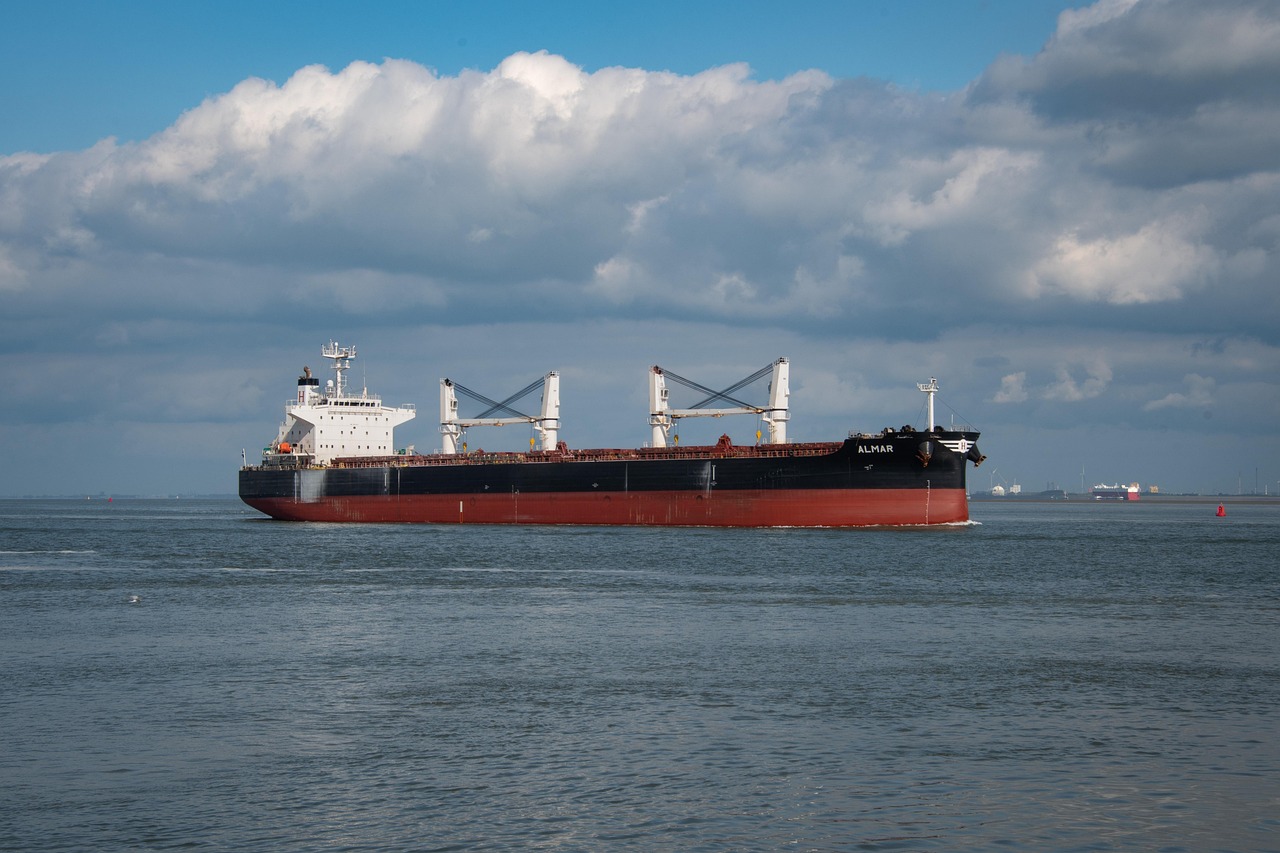
Dry Bulk: Carried in bulk carriers or ships with cargo holds, dry bulk includes commodities like coal, iron ore, and grains.
Breakbulk: While not strictly bulk, this category includes cargo that does not fit standard shipping containers, such as machinery and large industrial components.
When shipping bulk cargo, selecting the appropriate shipping method is vital. Here are the common options:
Ocean freight is the most common and economical mode for transporting bulk cargo internationally. It involves shipping goods via cargo vessels specifically designed for bulk transport.
While faster than ocean freight, air freight is often much more expensive and less commonly used for bulk shipments due to weight limitations. However, it can be beneficial for high-value or perishable goods.
For landlocked regions in Africa, rail or truck transport might be necessary after the initial ocean shipment. These modes are often used for the final leg of the journey.
Engaging a reputable freight forwarder can simplify the shipping process. They will assist with:
Each African country has distinct customs regulations. It is essential to:
Selecting an optimal shipping route is crucial for minimizing transit time and costs. Consider the following key routes:
Proper preparation of the cargo is vital to ensure it remains intact during the journey. Steps include:
Most freight companies provide tracking systems that allow you to monitor your shipment’s progress. Regularly checking up on your cargo will help manage any potential delays or issues.
Understanding the costs associated with shipping bulk cargo is essential for budgeting. Here are some common expenses to consider:
Shipping bulk cargo to Africa may present several challenges, including:
Some African countries may face infrastructure issues, including poorly maintained roads and limited shipping ports. It is vital to research the infrastructure of the destination country thoroughly.
Customs procedures can be time-consuming. Being prepared with all documents and clearances can help speed this process.
Petty crime and piracy can pose risks during transit. It is recommended to choose shipping routes with lower security risks and to work with trusted shipping partners.
Shipping bulk cargo from Europe to Africa involves comprehensive planning and execution. By understanding the requirements and processes—from selecting the right shipping method to ensuring compliance with customs regulations—you can navigate the complexities of international shipping. This venture can open many doors for businesses looking to expand their reach and impact in the African market. With thorough preparation and reliable partnerships, you can successfully transport your goods while minimizing risks and maximizing efficiency.