Skip to content

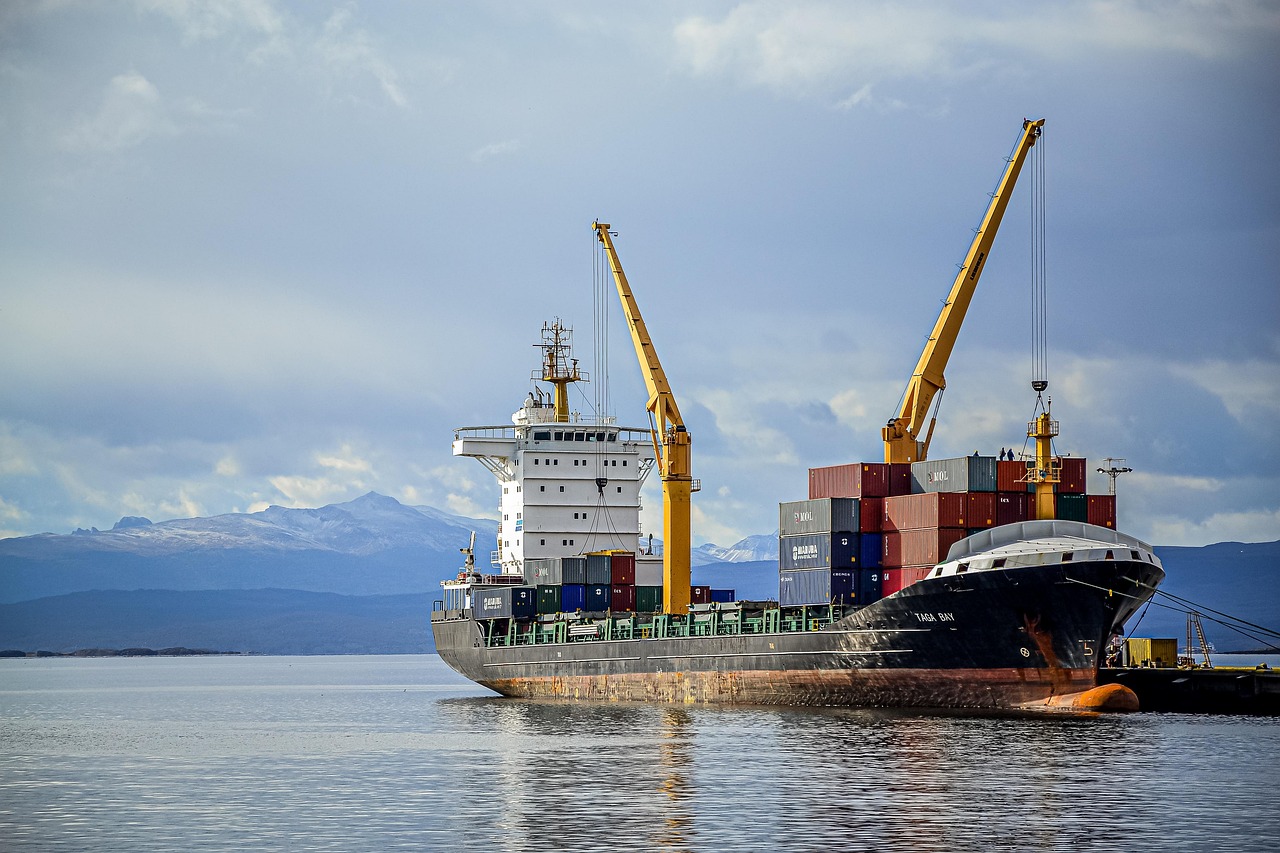
When choosing a cross-border freight partner, it’s essential to find someone with experience and a robust network that can navigate the complexities of international shipping, ensuring your goods reach their destination safely and efficiently. Your perfect partner will not only help manage customs but also provide the local expertise needed to streamline your cross-border logistics.
# What to Look for in a Cross-Border Freight Partner
In today’s global economy, businesses are increasingly looking beyond their national borders for sourcing products and expanding their markets. As a result, selecting the right cross-border freight partner is crucial for ensuring that goods are transported efficiently, securely, and within budget. This article delves into the key factors to consider when choosing a freight partner for cross-border logistics.
Understanding Cross-Border Freight
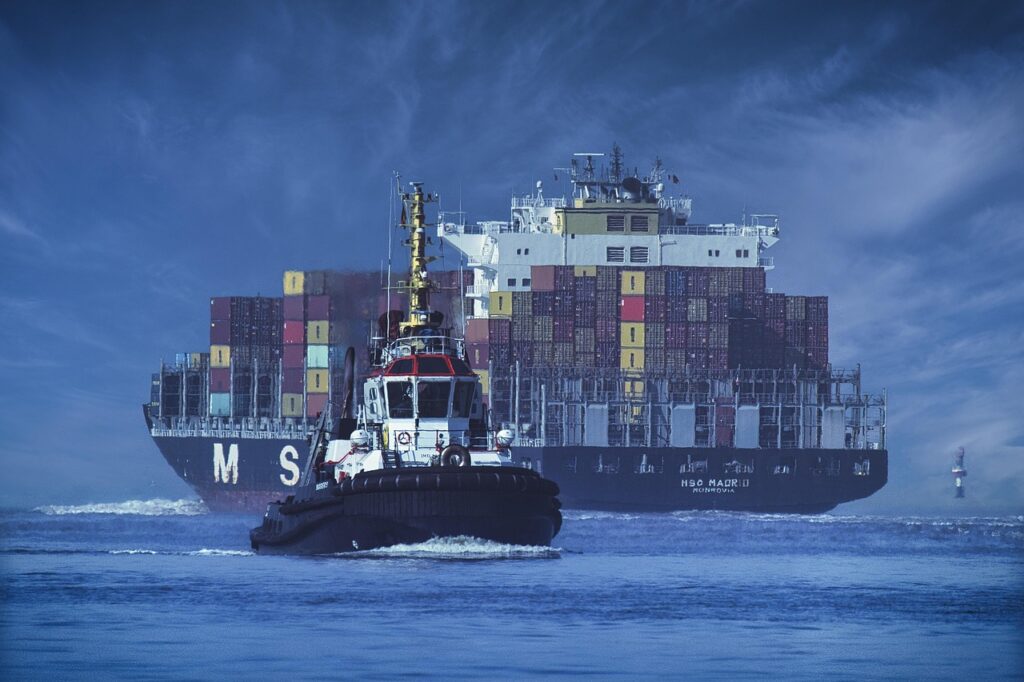 Cross-border freight involves the transportation of goods between different countries. Unlike domestic shipping, it often requires navigating complex regulations, customs, and potentially varied transportation infrastructures. A reliable freight partner can help you manage these complexities seamlessly.
Key Considerations for Selecting a Cross-Border Freight Partner
When evaluating potential freight partners, consider the following aspects:
1. Experience and Reputation
A freight partner’s experience in cross-border logistics can significantly impact your shipping operations. Look for partners who have:
- Years of Experience: Established companies often have a proven track record in navigating customs and freight regulations in various countries.
- Positive Customer Feedback: Online reviews, testimonials, and case studies can offer insight into their reputation. Companies that consistently receive high ratings are likely to provide reliable service.
2. Network and Coverage
A comprehensive network is essential in cross-border shipping. Consider partners who have:
- Global Reach: Ensure they have relationships with carriers and agents in the countries you plan to ship to and from.
- Local Expertise: Partners with a local presence can help navigate the nuances of regional regulations and practices effectively.
3. Customs Expertise
Customs clearance is one of the most significant challenges in cross-border shipping. A good freight partner should have:
- Knowledge of Customs Regulations: They should understand the customs regulations of both the exporting and importing countries to prevent delays.
- Ability to Handle Documentation: Look for companies that are proficient in managing necessary documentation like bills of lading and commercial invoices, as well as understanding specific duties and tariffs.
4. Technology and Tracking Capabilities
Modern logistics demand transparency and efficiency. Your freight partner should provide:
- Real-Time Tracking: A reliable partner should offer technology that allows you to track your goods in real-time, providing updates on location and status.
- User-Friendly Platforms: Look for freight partners that offer intuitive platforms to manage bookings, document submissions, and communicate seamlessly.
5. Pricing Structures
Understanding the pricing model of a freight partner is crucial. Examine:
- Transparent Pricing: Avoid partners with hidden fees. Ensure you understand all costs upfront, including shipping, customs duties, and administrative fees.
- Competitive Rates: While price shouldn’t be the only factor, ensure that their rates are competitive within the industry.
6. Service Offerings
Different businesses have diverse shipping needs. Confirm that your partner can meet your specific requirements by:
- Offering Multiple Modes of Transportation: Whether you need air, sea, or land transport, your partner should provide flexible shipping options.
- Providing Additional Services: Look for partners who offer value-added services such as warehousing, packaging, and distribution.
7. Reliability and Timeliness
The ability to meet deadlines can directly affect your business's success. Your freight partner should:
- Demonstrate On-Time Deliveries: Check their track record for timely shipments and their process for handling delays.
- Have Contingency Plans: Ensure they have contingency measures in place for unexpected disruptions, such as natural disasters or port closures.
8. Customer Service
Support from your freight partner can make all the difference, particularly when problems arise. Evaluate their customer service by:
- Response Times: Quick response times indicate a strong commitment to customer care.
- Personalized Support: Partners that assign dedicated account representatives can provide more tailored service.
Examples of Potential Freight Partners
To provide context, here are a few companies renowned for their cross-border freight services:
- DHL Supply Chain: Known for its global reach and robust technology offerings, DHL provides extensive cross-border logistics solutions, including customs brokerage and warehousing.
- Expeditors: This company has built a reputation for high-touch customer service and specializes in customs compliance, making it an excellent choice for businesses focused on freight efficiency.
- Kuehne + Nagel: They offer a range of transport modes and have a vast global network, providing tailored solutions for cross-border shipping challenges.
- Flexport: A technology-driven freight forwarder that provides a modern platform for managing cross-border logistics, known for its transparency and real-time tracking capabilities.
Conclusion
Selecting the right cross-border freight partner is essential for businesses looking to expand their reach in international markets. By taking into account factors such as experience, network, customs expertise, technology, pricing, service offerings, reliability, and customer service, you can find a partner that aligns with your logistics needs. A strategic choice in freight partnership can greatly enhance your business's operational efficiency and long-term success in the global marketplace. Take the time to research and select a freight partner that meets your needs; in doing so, you set your business up for success in cross-border logistics.