

International shipping safety illustration for How to Ship Goods Safely Across Continents: A Complete Guide

How to Ship Goods Safely Across Continents: A Complete Guide

Shipping goods safely across continents can seem daunting, but with the right knowledge and preparation, mastering international shipping safety is within your reach. Whether youre a business expanding globally or just sending personal items, understanding the key factors involved will ensure your shipments arrive securely and efficiently.

How to Ship Goods Safely Across Continents

Shipping goods across continents is a complex task that requires proper planning, resources, and expertise. Whether you’re a business owner looking to expand your market reach or an individual shipping personal items, understanding the intricacies involved in international shipping is vital. In this article, we will look at key factors to consider, processes involved, and best practices to ensure that your goods are shipped safely and efficiently.
Understanding Freight Shipping

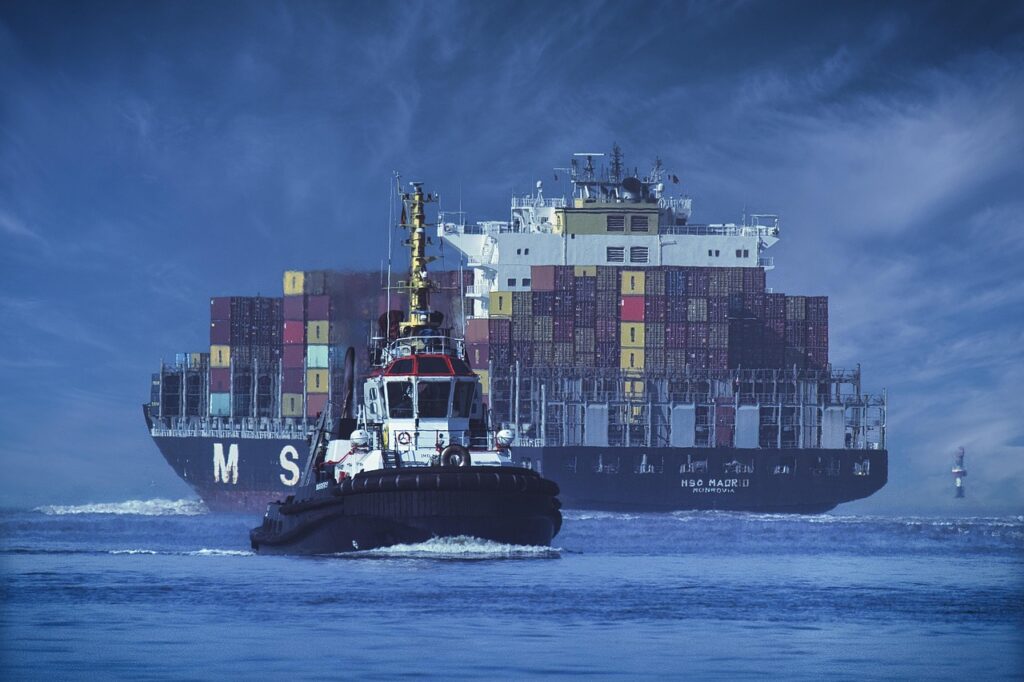
International shipping safety illustration for How to Ship Goods Safely Across Continents: A Complete Guide

Before diving into the shipping process, it’s important to understand what freight shipping entails. Freight shipping refers to the transportation of goods in bulk. This can include anything from raw materials to finished products, and it typically involves:

  • Air Freight: Fast but often more expensive, ideal for high-value or time-sensitive items.

  • Ocean Freight: Cost-effective for large quantities, but slower, suitable for non-urgent shipments.

  • Land Freight: Used for transiting goods within continents, such as truck or rail services.

Choosing the Right Freight Mode

Selecting the right freight mode is crucial. Here are some considerations for each type:

  1. Air Freight

    • Advantages: Speed and reliability.
    • Disadvantages: Higher costs, weight restrictions.
    • Ideal For: Small, high-value, and perishable goods.
  2. Ocean Freight

    • Advantages: Lower costs and capacity for large shipments.
    • Disadvantages: Longer transit times, limited tracking.
    • Ideal For: Bulk goods, non-urgent items, and heavier products.
  3. Land Freight

    • Advantages: Flexibility and door-to-door service.
    • Disadvantages: Applicable only to connected areas and may involve multiple transfers.
    • Ideal For: Regional shipments or final delivery points.

Packing Your Goods

Proper packing is essential for ensuring the safety of goods during transportation. Here’s how to pack items effectively:

Materials Needed

  • Boxes: Use durable boxes suited to the weight and fragility of the items.
  • Bubble Wrap: Excellent for cushioning fragile items.
  • Packing Tape: High-quality tape to secure boxes.
  • Labeling Supplies: Clear labels for identification (contents, destination, handling instructions).

Packing Techniques

  • Cushioning: Wrap fragile items separately in bubble wrap or foam.
  • Arranging: Place heavier items on the bottom of the box and lighter ones on top.
  • Sealing: Use packing tape to seal the boxes securely, ensuring that no opening can occur during transit.
  • Labeling: Clearly mark boxes with handling instructions (e.g., “Fragile”, “This Side Up”).

Documentation and Customs

Shipping goods internationally requires understanding and preparing the correct documentation and customs regulations. Here are important documents you will typically need:

  1. Commercial Invoice: Details what is being shipped, its value, and the terms of sale.
  2. Packing List: A detailed list of all contents in the shipment.
  3. Bill of Lading: A contract between the shipper and carrier.
  4. Certificate of Origin: Indicates where the goods are manufactured.
  5. Customs Declaration: Must be filled out to provide the necessary information to customs officials.

Understanding Customs Duties

Customs duties and taxes vary by country and are based on the value of the goods, their type, and their origin. It’s important to research and understand these requirements to avoid unexpected fees. Many countries have online resources for customs information.

Choosing a Reliable Shipping Partner

Selecting the right logistics provider is critical for ensuring the safety and timely delivery of goods. Here are a few tips to help you choose a reliable shipping partner:

  1. Reputation: Look for companies with positive customer reviews and industry certifications.
  2. Experience: Choose a shipper experienced in international logistics and familiar with customs.
  3. Insurance Options: Ensure the company offers cargo insurance for added protection.
  4. Tracking Capabilities: Opt for a provider that offers tracking services to monitor the shipment in real time.

Questions to Ask Your Shipping Partner

  • What are your security measures during transit?
  • How do you handle damages or lost goods?
  • What are your transit times for my specific route?
  • What support do you offer for customs clearance?

Tracking and Communication

Effective communication between you, your shipping partner, and the receiving party is crucial for a smooth shipping process. Make sure to set up a system that allows for:

  • Real-time Tracking: Use tracking numbers to monitor the shipment’s progress.
  • Updates: Request regular updates from the shipping provider, especially on customs status.
  • Feedback Loops: Maintain communication with the receiving party to ensure they are prepared for delivery.

Dealing with Delays

Shipping delays can occur due to various reasons such as customs inspections, bad weather, or logistical hiccups. Here’s how to handle potential delays effectively:

  1. Stay Informed: Keep up-to-date with tracking information and shipping alerts.
  2. Prepare the Receiver: Inform the recipient about potential delays to manage expectations.
  3. Contact the Carrier: If significant delays occur, reach out to your shipping partner for status reports and next steps.

Best Practices for Safe Shipping

To wrap up, here are key best practices to ensure safe international shipping:

  • Plan Ahead: Allow ample time for packing, shipping, and customs processing.
  • Invest in Quality Packing Materials: Proper materials go a long way in protecting goods.
  • Understand the Regulations: Familiarize yourself with customs laws in both the shipping and receiving countries.
  • Use Insurance Wisely: Provide extra peace of mind by insuring valuable or fragile items.
  • Create a Contingency Plan: Have backup strategies in place for potential delays or issues.

Conclusion

Shipping goods safely across continents may seem daunting, but with proper planning, knowledge, and the right partner, it can be a seamless process. From selecting the appropriate freight mode and attending to packing details, to navigating customs regulations and ensuring communication, each step is crucial to achieving your shipping objectives. By following the best practices outlined above, you can mitigate risks and ensure your products arrive safely at their destination, delighting your customers or recipients along the way.