Skip to content

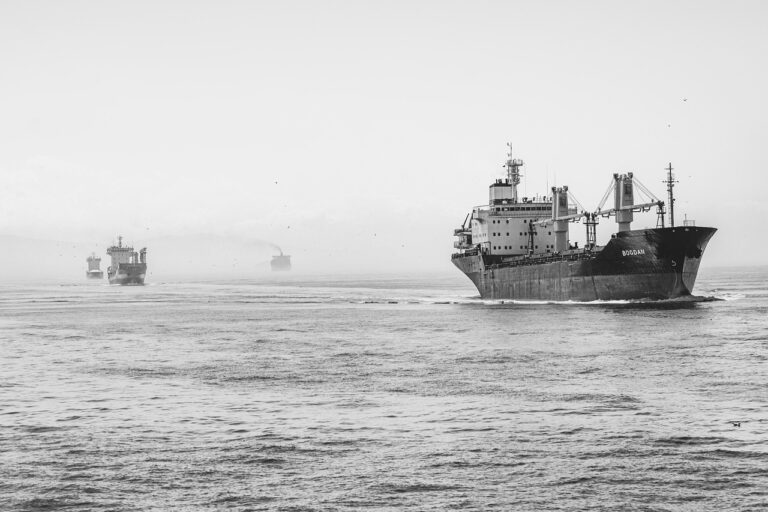
In the dynamic landscape of African trade, sea freight in Africa stands out as a cost-effective and efficient option for transporting bulk commodities, making it an enduring choice for businesses looking to thrive in the global market. With its unmatched capacity and economic advantages, sea freight continues to be the backbone of trade across the continent.
In an increasingly globalized economy, businesses are always scouting for the best transportation methods to ensure the seamless movement of goods. While air freight and road transport have gained significant traction in recent years, sea freight remains a stalwart option, particularly for African trade. This blog post explores the reasons for the sustained popularity of sea freight in Africa, its advantages, challenges, and the projected future of maritime logistics in the region.
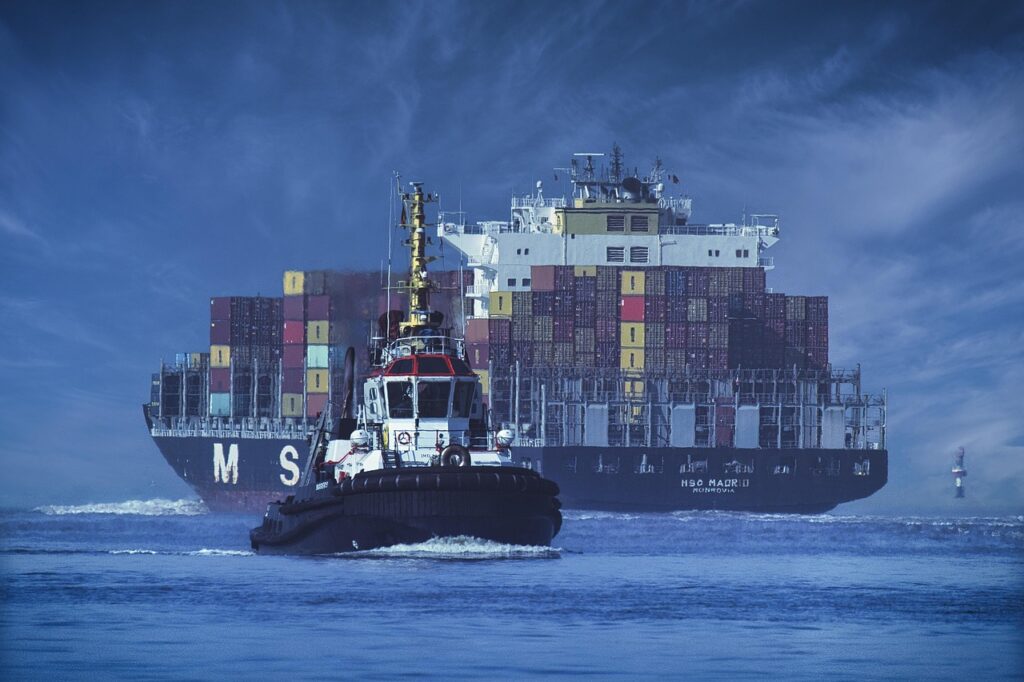
Sea freight, or ocean freight, involves shipping goods via cargo ships across oceans and seas. It’s an integral part of international trade, especially for bulk goods, machinery, and commodities. This method of shipping has been the backbone of global trade for centuries and continues to offer competitive advantages, especially in regions like Africa.
One of the pivotal reasons sea freight remains popular in Africa is its inherent cost efficiency, particularly for large shipments. According to industry experts, shipping by sea offers lower per-unit costs compared to air freight, making it an ideal choice for exporters and importers dealing with bulky commodities such as agricultural products, minerals, and manufactured goods.
The cost-effectiveness of sea freight is well illustrated by its use in the export of agricultural products. For instance, a shipment of cocoa beans from Ivory Coast to Europe might cost significantly less via sea freight compared to air services, which can elevate costs due to speed and space limitations.
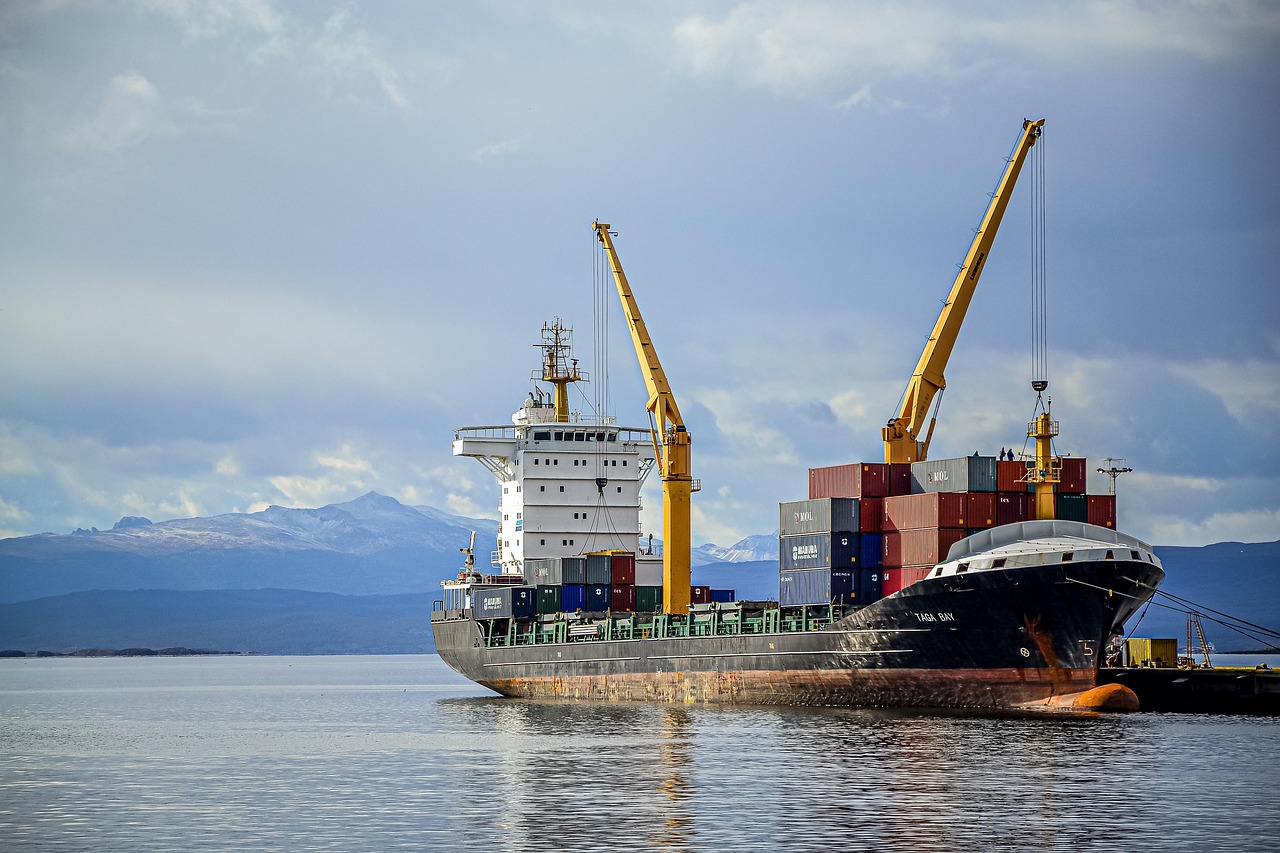
Sea freight is also unmatched in its ability to handle large volumes of goods. Cargo ships can carry thousands of containers in a single trip. This capacity is particularly advantageous for Africa, where many countries have an abundance of minerals, agricultural products, and manufactured goods requiring export.
Consider the transport of iron ore from South Africa to China. A single vessel can load up to 200,000 tons of iron ore, allowing efficient servicing of large markets that rely on raw materials for industrial production.
Sea freight benefits from an extensive and established network of shipping routes that connect Africa to major markets in Europe, Asia, and the Americas. The Maritime industry has successfully developed these trade routes over centuries, making them reliable and predictable.
The route around the Cape of Good Hope is significant for many African countries. It serves as a critical juncture for vessels traveling between Europe and the Asia-Pacific region, enabling consistent and steady trade flow, essential for economies relying heavily on imports and exports.
The shipping industry operates with reliable schedules and frequent departures, allowing businesses to plan their inventory and logistics effectively. Unlike air freight, which can be at the mercy of weather conditions and air traffic, sea freight offers a degree of predictability, important for operations dependent on steady supply chains.
Another advantage of sea freight is its comparatively lower carbon footprint per ton of cargo transported. With increased awareness of climate change and sustainability, businesses are seeking eco-friendly transport options. Maritime shipping is generally more energy-efficient than air freight, making it a preferable option for environmentally-conscious companies looking to minimize their impact.
The shipping industry is adopting innovations such as the use of cleaner fuels and energy-efficient vessels. These advancements further bolster the appeal of sea freight as a sustainable choice for trade.
Despite its advantages, sea freight in Africa faces hurdles. One major challenge is inadequate port infrastructure. Many African ports struggle with congestion, inefficiency, and aging facilities, which can result in delayed shipments and increased transit times.
The Port of Durban, one of the busiest in Africa, has reported congestion issues that lead to longer turnaround times for vessels. Improvements in port infrastructure and operations are crucial for enhancing the efficiency of sea freight in the region.
Another obstacle is the complex regulatory environment. Trade documentation, customs clearance, and compliance with regional and international laws can complicate sea freight logistics. Navigating these issues often requires significant expertise, which can be a hurdle for smaller businesses.
Container shortages have become a prevailing issue post-pandemic, affecting shipping schedules and costs. As global trade rebounds, the limited availability of containers can lead to increased pricing for shipping, impacting smaller businesses disproportionately.
The future of sea freight in Africa appears promising as investments in port infrastructure are on the rise. Initiatives funded by governments and private organizations aim to modernize ports, streamline operations, and reduce congestion.
Technological innovations such as blockchain, AI, and IoT are also set to enhance shipping efficiency. These technologies can improve tracking, streamline operations, and provide real-time data analytics, mitigating some of the challenges posed by bureaucracy.
Additionally, the African Continental Free Trade Area (AfCFTA) agreement aims to enhance trade across the continent, which may lead to an increase in sea freight activity. By reducing trade barriers and tariffs among member countries, businesses may find greater incentives to utilize sea freight for intra-African trade.
Sea freight continues to be a popular choice for African trade due to its cost efficiency, capacity for large volumes, and reliability. Despite infrastructural challenges and regulatory hurdles, the future of maritime logistics in Africa looks bright as investments and technological advancements pave the way for a more efficient shipping ecosystem. As the continent increasingly integrates into the global economy, sea freight is likely to remain a critical component of African trade for years to come.