Skip to content


As trade between Europe and Africa continues to flourish, understanding the ins and outs of Europe to Africa freight is essential for businesses eager to tap into this vibrant market. With a variety of freight options and complexities to consider, lets explore how to make the most of this exciting trade opportunity!
# Europe to Africa Freight: What You Need to Know
The growing connectivity between Europe and Africa has resulted in increased trade opportunities, driving the demand for efficient freight services between the two continents. With diverse goods flowing in both directions, understanding the complexities of Europe to Africa freight is vital for businesses looking to expand their reach. This article delves into essential aspects, challenges, and tips for navigating freight between Europe and Africa.
Understanding the Europe-Africa Trade Landscape

Trade Dynamics
The trade relationship between Europe and Africa encompasses various products, with Europe exporting machinery, vehicles, pharmaceuticals, and high-tech goods. Conversely, Africa exports raw materials, agricultural products, and minerals.
Economic Significance
According to the European Commission, trade between the European Union and African countries reached approximately €250 billion in 2022. This figure highlights not only the economic significance of the relationship but also the potential that exists for further growth.
Types of Freight Services Available
When transporting goods from Europe to Africa, several freight options are available, each with its own advantages and disadvantages.
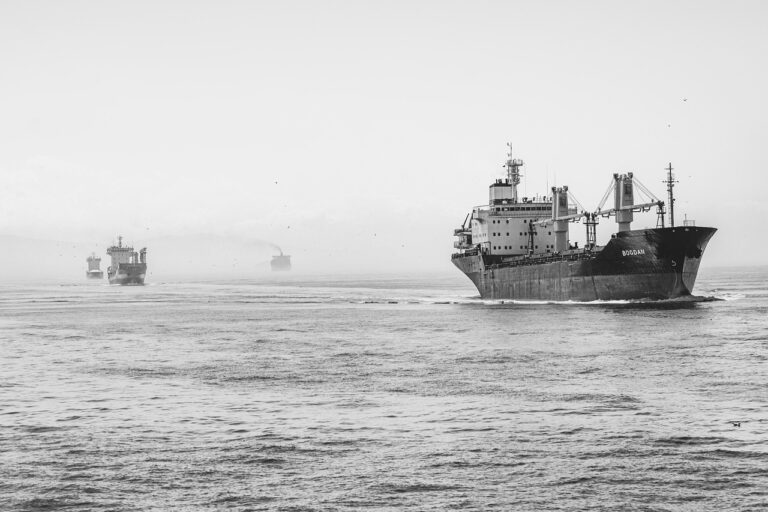
1. Sea Freight
- Advantages:
- Cost-effective for large shipments.
- Capacity to transport bulky goods.
- Disadvantages:
- Slower than air freight, with transit times typically ranging from 2 to 6 weeks.
2. Air Freight
- Advantages:
- Fast delivery times, often within a few days.
- Ideal for high-value, low-volume shipments.
- Disadvantages:
- Higher costs compared to sea freight.
3. Road and Rail Freight
- Advantages:
- Flexibility to reach inland locations.
- Ideal for regional deliveries within Africa.
- Disadvantages:
- Limited by infrastructure in certain regions.
- Potentially slower than air freight for long distances.
Key Considerations in Europe to Africa Freight
1. Customs Regulations
Navigating customs regulations can be daunting, as they vary by country. It is crucial to be aware of:
- Specific documentation required (e.g., commercial invoices, packing lists).
- Duties and taxes applicable to your goods.
- Import/export permits, particularly for restricted items.
2. Packaging Requirements
Proper packaging can significantly affect the success of the freight process. Consider:
- Using durable materials to withstand transport conditions.
- Ensuring that packaging complies with international standards.
- Labeling goods accurately to assist customs clearance.
3. Freight Insurance
Protecting your investment is vital. Freight insurance helps mitigate risks associated with loss or damage. Consider:
- Coverage options tailored to the nature of your goods.
- Selecting reputable insurance providers with experience in international freight.
Challenges in Freight Between Europe and Africa
1. Infrastructure Limitations
While many African nations are improving their infrastructure, challenges still exist:
- Ports may be congested or lacking in facilities.
- Road networks can be underdeveloped, impacting transit times.
2. Political and Economic Instability
Political risks can affect trading dynamics. Businesses must remain aware of:
- Changes in government policies.
- Economic shifts that may impact currency exchange rates and import/export duties.
3. Language Barriers
Communication barriers may arise, particularly when engaging with local freight forwarders or customs officials. Overcoming these barriers can be crucial for ensuring smooth transactions.
Strategies for Successful Freight Management
To ensure a successful freight journey from Europe to Africa, consider the following strategies:
1. Partner with Reliable Freight Forwarders
Selecting an experienced freight forwarder is essential. Look for partners who:
- Have a solid understanding of the Europe-Africa trade landscape.
- Offer comprehensive logistics solutions, from customs clearance to last-mile delivery.
2. Utilize Technology
Employing technology can streamline operations and enhance visibility. Consider using:
- Freight management software to track shipments.
- Digital platforms to communicate and collaborate with stakeholders.
3. Build Strong Relationships
Establishing strong relationships with local partners, suppliers, and customers can be beneficial. Focus on:
- Networking opportunities in both Europe and Africa.
- Participating in trade shows and industry conferences.
Case Studies of Successful Freight Operations
Case Study 1: Machinery Export from Germany to Nigeria
A German machinery manufacturer sought to reach the Nigerian market by shipping heavy equipment.
- They partnered with a trusted freight forwarder who organized sea freight, ensuring compliance with Nigerian customs regulations.
- The company used robust packaging and secured freight insurance, ultimately meeting delivery timelines despite occasional port delays.
Case Study 2: Fast-Track Air Freight for Perishable Goods
A European organic food supplier needed to quickly transport perishable goods to South Africa.
- They opted for air freight to minimize transit time.
- By working closely with their freight forwarder, they navigated import restrictions and ensured all products arrived fresh, fostering ongoing demand for their offerings.
Conclusion
The freight landscape between Europe and Africa presents a myriad of opportunities and challenges. By understanding the trade dynamics, selecting appropriate freight services, and employing effective strategies, businesses can effectively navigate this complex environment. As trade continues to evolve, staying informed and adaptable will be crucial for those looking to capitalize on the potential that exists in this growing market.