Skip to content

When considering shipping a 20ft container to Africa, it’s important to look beyond just the freight costs, as various fees and charges can significantly affect your overall expenses. Join us as we explore the true cost of this vital shipping method and what you need to know to ensure a smooth transport experience!
Shipping goods internationally is a complex process that involves various factors affecting overall costs. When shipping a 20ft container to Africa, the expenses go beyond just transportation. This blog post delves into the true cost of such a shipment, highlighting key considerations and examples.
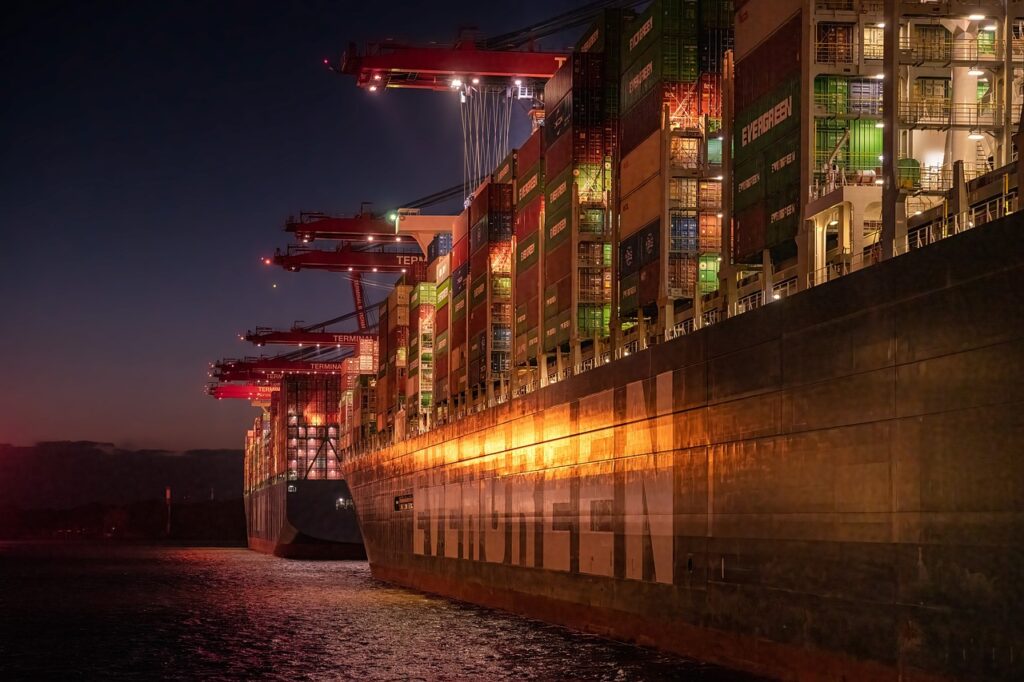
Before diving into the costs, it’s essential to understand what a 20ft container is and its significance in international trade. A 20ft container, often referred to as TEU (Twenty-foot Equivalent Unit), is a standard shipping container size often used for transporting goods globally. It can hold a range of cargo types, including machinery, furniture, or an assortment of retail products.
Freight charges form the primary component of shipping costs. Various shipping lines offer different rates based on distance, transit time, and the destination port. For instance:
Port fees are charges for using port facilities and services. Each port has its own fee structure. Additionally, customs duties may apply depending on the type of goods being shipped. Potential fees include:
Cargo insurance is crucial for protecting your investment against loss or damage. The standard cost for insuring a shipment is about 0.5% to 2% of the total cargo value. For example, if you’re shipping goods valued at $10,000, you might pay between $50 and $200 for insurance.
Upon arrival at the destination port, additional charges may occur. Common destination charges include:
Once the container arrives, you need to transport it from the port to its final destination. Road transport costs will vary based on the distance from the port and logistics providers. Typical expenses might include:
Shipping internationally requires proper documentation and adherence to legal requirements. Costs associated with documentation include:
Assembling all potential costs provides a clearer picture of the total expense for shipping a 20ft container to Africa. Here’s a summarized table to give an overview:
| Cost Component | Estimated Cost Range (USD) |
|---|---|
| Freight Charges | $1,500 – $2,500 |
| Port Fees & Customs Duties | $300 – $700 |
| Insurance Costs | $50 – $200 |
| Destination Charges | $100 – $1,500 |
| Road Transport Costs | $300 – $700 |
| Documentation & Legal Fees | $150 – $400 |
| Total Estimated Cost | $2,450 – $6,800 |
Shipping to Africa presents unique challenges compared to other regions. Here are a few considerations:
African countries exhibit varying levels of infrastructure development. Countries with well-developed ports like South Africa may experience efficient transit times, while other regions may face delays due to inadequate facilities.
Each African nation has distinct customs regulations, which may lead to potential delays or unexpected costs. Thoroughly researching the specific regulations for your destination can help prevent misunderstandings.
Political unrest or economic instability can impact shipping times and costs. It’s advisable to stay updated on the country’s current events before shipping.
Selecting a reputable shipping company is critical. Companies with a good track record may offer better service and fewer complications. Look for reviews or obtain recommendations to ensure reliable service.
Let’s look at a couple of real-world examples to illustrate the variation in shipping costs:
Total Cost: $1,600 + $100 + $400 + $150 = $2,250
Total Cost: $2,100 + $150 + $500 + $800 = $3,550
Shipping a 20ft container to Africa involves multiple cost components, each of which can vary significantly based on location, type of goods, and logistics chosen. By understanding these factors and preparing for potential expenses, businesses can make informed decisions when engaging in international trade.
The final shipping cost can range from approximately $2,450 to $6,800, depending on various elements discussed in this blog post. Evaluating shipping options carefully can lead to more efficient budgeting, timely deliveries, and better overall logistics management in Africa’s diverse market landscape.