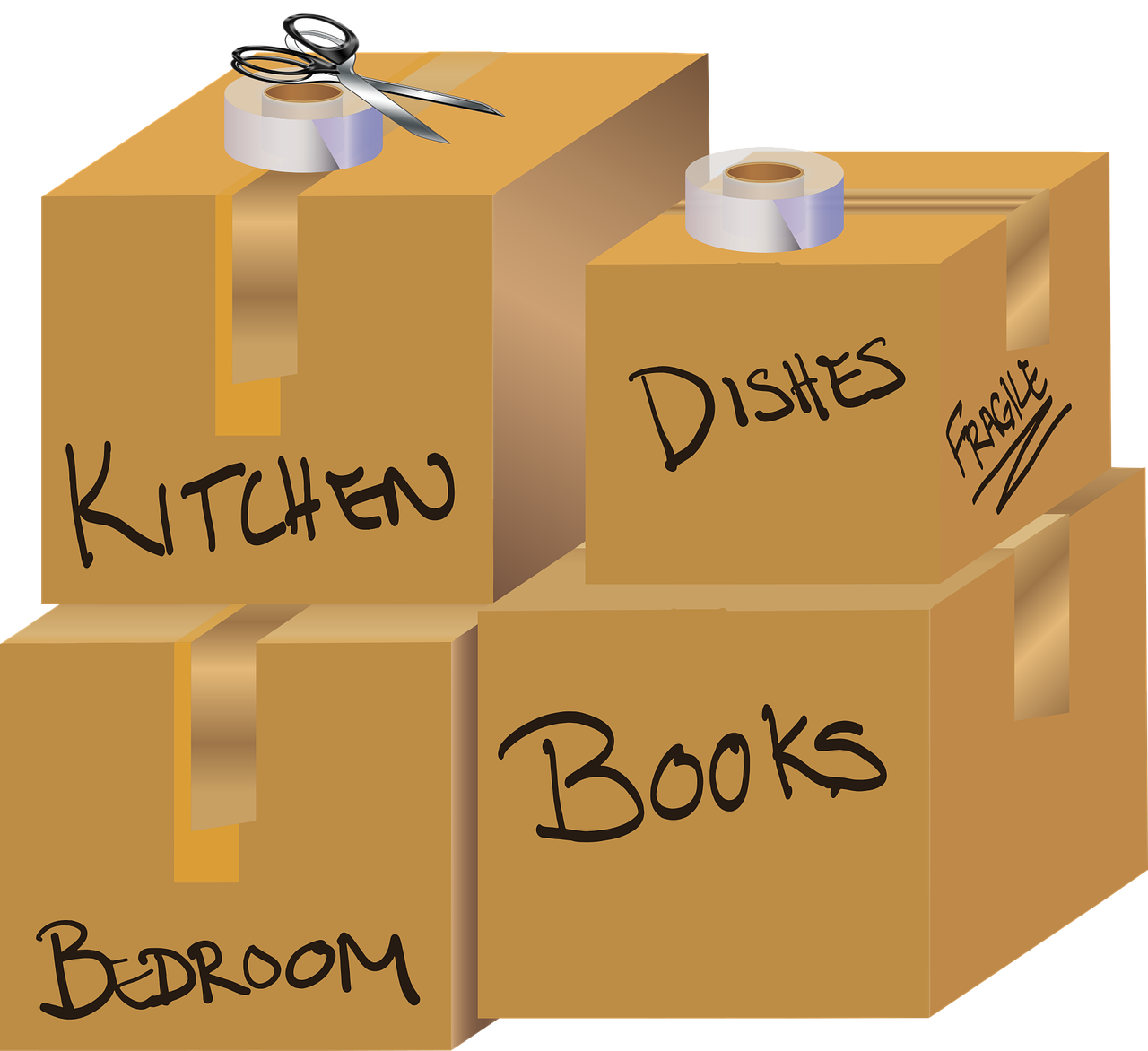
Packing Tips for Fragile and Valuable Items
When it comes to moving or shipping fragile and valuable items, careful packing is essential to ensure they reach their destination safely. Whether you’re transporting antiques, fine art, glassware, or electronics, employing the right packing techniques can mitigate the risk of damage. This guide will provide you with effective packing tips to protect your precious belongings.
Understanding the Importance of Proper Packing
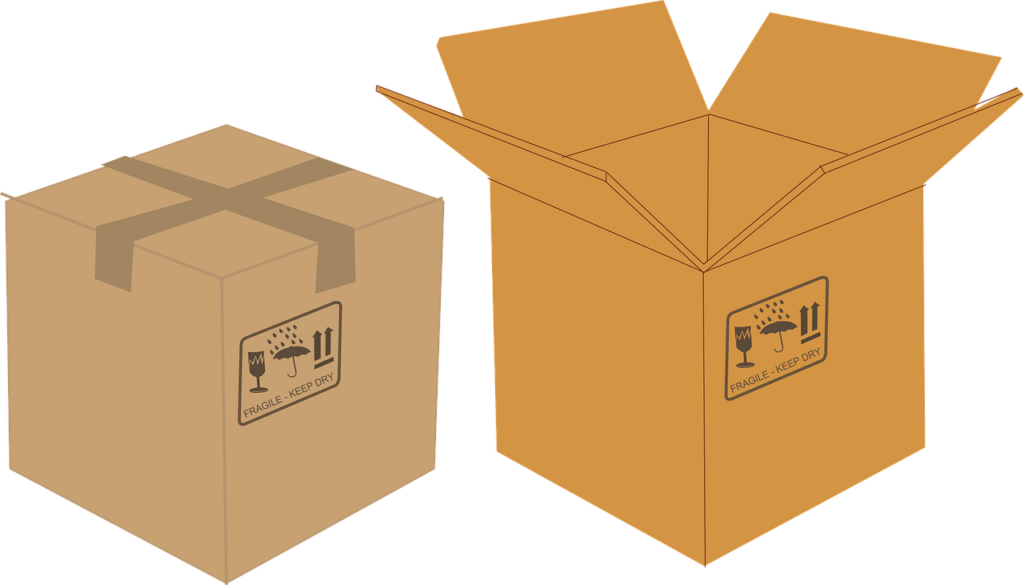
Packing fragile items isn’t just about putting them in a box; it’s about creating a protective environment that reduces the risk of damage. Proper packing can mean the difference between an item arriving intact or in pieces.
- Value: Many fragile items are not just physical possessions; they hold sentimental or financial value.
- Increased Risk: Fragile items can easily break if they are not packed securely and handled carefully during transit.
- Peace of Mind: Being confident in your packing skills can reduce stress during the moving process.
Supplies You’ll Need
Before you start packing, gather the following supplies to make the process smoother:
- Sturdy Boxes: Choose the appropriate size for your items.
- Bubble Wrap: Great for cushioning and protecting delicate surfaces.
- Packing Paper: Ideal for wrapping and filling empty spaces in boxes.
- Foam Inserts: Provide extra cushioning for fragile items.
- Packing Peanuts: Help to fill voids and prevent movement within boxes.
- Tape: Strong packing tape to secure boxes.
- Labels: Clearly mark boxes containing fragile items.
Packing Techniques for Different Types of Fragile Items
1. Glassware and Ceramics
Glass and ceramic items are among the most fragile, requiring special attention.
Packing Steps:
- Wrap Individually: Use bubble wrap or packing paper to wrap each item, ensuring you cover sharp edges and corners.
- Use Dividers: For items like wine glasses, consider using cardboard dividers in the box.
- Box Orientation: Pack items upright when possible and avoid placing stacked items directly on top of each other.
- Cushion at the Bottom: Place a layer of packing peanuts or crumpled packing paper at the bottom.
- Fill Extra Space: After placing items, fill any empty spaces with additional padding to prevent shifting during transit.
2. Artwork and Framed Items
Art can be particularly delicate and may have significant emotional or financial value.
Packing Steps:
- Protect the Glass: Use painter’s tape to create an “X” over the glass of the frame to keep it intact if it breaks.
- Wrap in Bubble Wrap: Wrap the entire piece in bubble wrap, securing it with tape.
- Use a Sturdy Box: Use a box that is slightly larger than the wrapped item for additional cushioning.
- Add Cushioning: Line the box with padding material and ensure the artwork fits snugly.
- Label as Fragile: Clearly label the box to ensure careful handling.
3. Electronics
Electronics are susceptible to damage from physical shocks as well as static electricity.
Packing Steps:
- Original Boxes: If available, use the original packaging. It’s specifically designed for the item.
- Remove Accessories: Detach any accessories, like cables and remotes, and pack them separately.
- Wrap the Item: Use bubble wrap for cushioning and cover the entire device.
- Box and Padding: Place it in a box with at least two inches of padding around the item.
- Avoid Overloading: Do not pack too many items in one box, as this increases the risk of breakage.
4. Antiques and Heirlooms
Handling antiques requires extra diligence due to their unique materials and often fragile construction.
Packing Steps:
- Assess Each Piece: Review the construction and materials to determine the right packing approach.
- Use Acid-Free Tissue: Wrap delicate parts in acid-free tissue paper to prevent any chemical reactions.
- Support Weak Points: Use foam inserts or extra cardboard to support weak points, such as legs on furniture.
- Create a Stable Base: For larger pieces, use a wooden crate if possible, with padding to prevent movement.
- Insurance: Consider insuring valuable items to cover potential damage.
How to Label and Handle Boxes
Proper labeling and handling are critical once your items are packed.
Labeling
- Clear Descriptions: Write a clear description of the contents on each box.
- Fragile Stickers: Use “Fragile” stickers to indicate that the box contains delicate items.
- Direction Indicators: Mark the top and bottom of the box to ensure it is handled properly.
Handling
- Lift with Care: Encourage anyone assisting with the move to lift boxes gently.
- Avoid Stacking: Don’t stack heavy boxes on top of boxes containing fragile items.
- Keep Dry: Protect your items from moisture by transporting them in a dry environment.
Unpacking Tips for Fragile Items
Once you arrive at your destination, it’s time to unpack. Here are some tips to ensure that the unpacking process is as careful as the packing process:
Unpacking Steps:
- Check Your Inventory: Refer to your inventory list to ensure all items are accounted for.
- Work on a Flat Surface: Have a flat surface free of clutter for unpacking.
- Unpack One at a Time: Take items out one at a time and inspect them for damage.
- Keep Wrapping Material: If the items are safely packed, consider keeping the wrapping in case you move again.
- Store Carefully: Find appropriate storage solutions if you won’t be displaying items immediately.
Conclusion
Packing fragile and valuable items can be a daunting task, but with the right techniques and materials, you can ensure that your belongings arrive safely. By taking the time to carefully wrap, cushion, and properly label your items, you can minimize the risk of damage during the moving or shipping process. Whether it’s glassware, electronics, or cherished antiques, these packing tips will help safeguard your valuables so you can enjoy peace of mind as you transport them.