Skip to content

Navigating the world of UK export documentation can be a breeze with the right guidance! This beginners guide breaks down the essential documents you need to ensure your international transactions go smoothly, making exporting both exciting and manageable.
# A Beginner’s Guide to UK Export Documentation
Entering the world of exporting can be both exciting and daunting for businesses. Understanding the necessary documentation is crucial for ensuring smooth international transactions. This guide will provide an overview of the essential export documents required when doing business in the UK.
Why Export Documentation Matters
 Export documentation serves several purposes:
- Legal Compliance: It ensures that the product conforms to international regulations.
- Customs Clearance: It facilitates the smooth passage of goods through customs in both the exporting and importing countries.
- Financial Transactions: It provides evidence of sales for invoicing and payment purposes.
- Risk Management: Proper documentation can minimize trade risks and disputes.
Export documentation serves several purposes:
- Legal Compliance: It ensures that the product conforms to international regulations.
- Customs Clearance: It facilitates the smooth passage of goods through customs in both the exporting and importing countries.
- Financial Transactions: It provides evidence of sales for invoicing and payment purposes.
- Risk Management: Proper documentation can minimize trade risks and disputes.
Key Export Documents
1. Proforma Invoice
The proforma invoice is one of the first documents you will create when exporting goods.
What it includes:
- Description of goods
- Quantity
- Price
- Payment terms
- Delivery terms
Example
A UK-based company exporting machinery to Germany would include details about the type of machinery, its price, and delivery conditions in the proforma invoice.
2. Commercial Invoice
Once a sale is confirmed, a commercial invoice is issued. This document is critical for customs clearance.
Key Information:
- Seller and buyer details
- Description and price of the goods
- Terms of sale (Incoterms)
- Delivery method
Example
If the UK company agrees to sell five units of machinery to a business in Germany, the commercial invoice would specify this along with payment terms and shipping arrangements.
3. Packing List
The packing list details how goods are packed and provides information about the shipment.
Components:
- Itemized list of all items in the shipment
- Dimensions and weight of each package
- Packaging specifics
Example
An exporter shipping pallets of machinery parts must include a packing list indicating how many pallets there are and what each contains.
4. Bill of Lading
The bill of lading is a crucial document which serves as a receipt for the goods and a contract of carriage.
Functions:
- Receipt of goods
- Title document
- Shipping contract
Example
When a shipment leaves the UK port destined for Germany, the carrier issues a bill of lading to confirm receipt of those goods for transport.
5. Export License
Certain goods require an export license, especially if they are of a sensitive nature.
When is it needed?
- Military or dual-use goods
- High-tech products
- Cultural artifacts
Example
A UK company exporting advanced surveillance equipment must obtain an export license from the UK government before shipping.
6. Certificate of Origin
This document verifies the origin of the goods being exported.
Importance:
- Determines the tariff rates
- Complies with free trade agreements
Example
A textile manufacturer in the UK exporting to Canada would need a Certificate of Origin to benefit from lower tariffs under the Canada-UK trade agreement.
7. Customs Declaration
A customs declaration must be completed to clear goods through customs.
What it includes:
- Details about the shipment
- Value of the goods
- Purpose of export
Example
Before the machinery leaves the UK, a customs declaration form will be submitted, detailing the value and nature of the goods being shipped.
Additional Documentation
Export Health Certificates
For certain products, especially food and agricultural goods, health certificates may be required to ensure compliance with safety standards.
Insurance Document
Having insurance documentation protects against loss or damage during transit. This can be crucial for high-value shipments.
Export Documentation by Method of Transport
Sea Freight
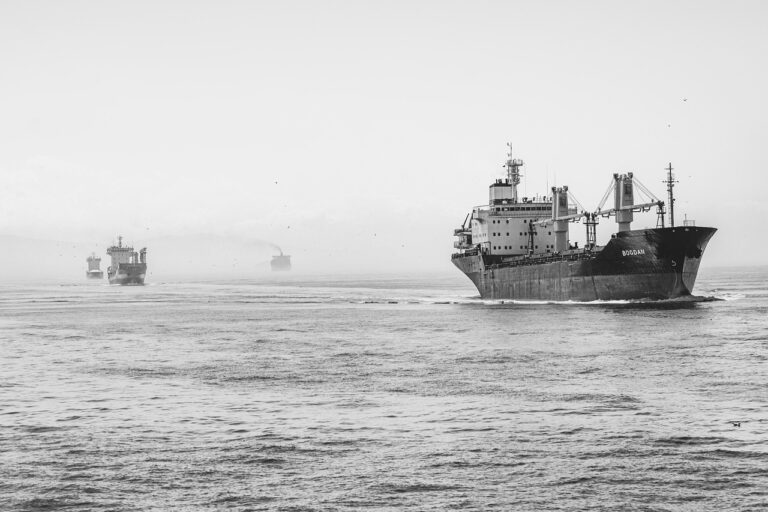
For sea freight, documents like the Bill of Lading and Packing List are particularly important.
Air Freight
When using air freight, the Air Waybill (similar to a Bill of Lading but for air transport) is essential, along with the commercial invoice.
Road Freight
For road transport within Europe, don’t forget the T1 document, which serves for customs purposes.
Best Practices for Export Documentation
1. Stay Organized: Maintain a checklist of required documents specific to each shipment.
2. Digital Record Keeping: Utilize digital platforms for easy access and management.
3. Consult Experts: If necessary, consult a freight forwarder or export specialist.
4. Update Templates: Regularly update your invoicing and documentation templates to comply with current regulations.
Conclusion
Navigating the world of UK export documentation can seem overwhelming for beginner exporters, but with the right knowledge and preparation, it becomes manageable. By understanding the essential documents and their purposes, businesses can ensure compliance, facilitate smooth customs clearance, and ultimately enhance their international trade efforts. Begin your export journey with a solid foundation in documentation, and watch your business expand across borders.