Skip to content

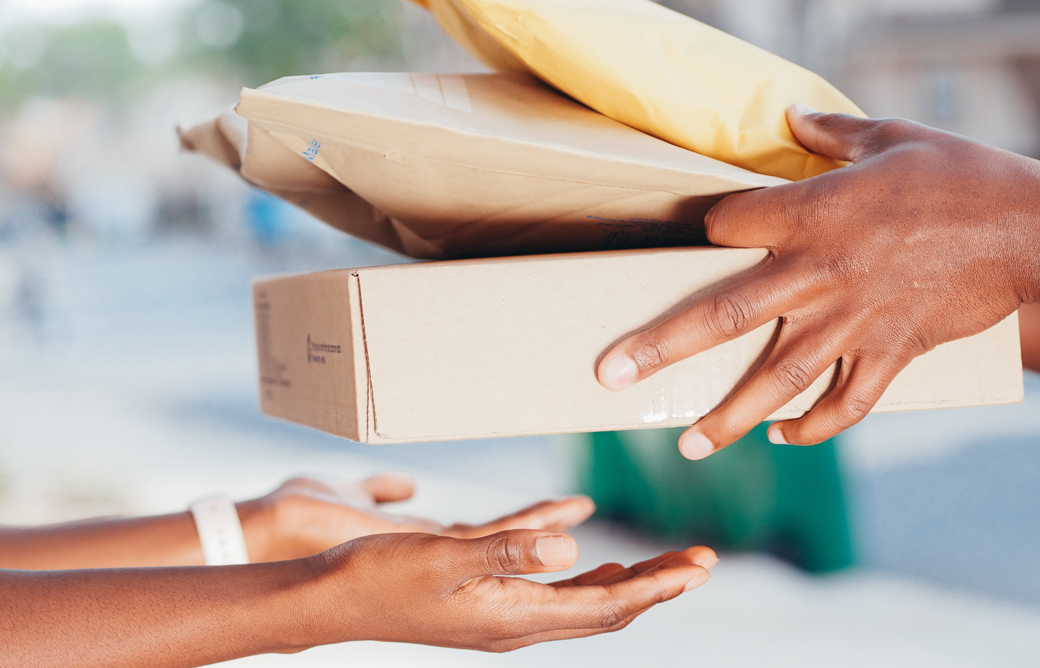
When it comes to hassle-free deliveries, door-to-door shipping takes center stage, ensuring your packages move seamlessly from sender to recipient without the usual complications. Join us as we explore the ins and outs of this convenient shipping method that truly puts you first!
In the ever-evolving landscape of logistics and e-commerce, the term “door-to-door” shipping has gained significant traction. It promises convenience, efficiency, and reliability, but what does it truly mean? In this article, we’ll delve into the definition of door-to-door shipping, how it operates, its benefits and drawbacks, and the steps involved in this logistics process.

Door-to-door shipping is a comprehensive transportation service that involves the movement of goods from the sender’s location directly to the recipient’s address. Unlike traditional shipping methods, which may require customers to engage in multiple steps to receive their packages, door-to-door shipping simplifies the entire process.
The process of door-to-door shipping can be broken down into several distinct stages:
The journey begins when a customer places an order for goods, whether from a retailer’s website or through direct communication with a seller.
After an order is confirmed, the logistics provider arranges to pick up the goods from the seller’s location. This often involves scheduling a pickup time that is convenient for the seller.
Once the goods are picked up, they are transported to the appropriate destination. This may involve multiple modes of transport, including trucks, ships, or airplanes, depending on the distance and urgency of the delivery.
For international deliveries, the logistics provider will handle all necessary customs documentation and procedures to ensure the goods can cross borders smoothly.
This is the final leg of the journey, where the goods are delivered directly to the recipient’s address. Last-mile delivery is crucial as it’s often the most complicated and costly part of the shipping process.
Upon successful delivery, the recipient may be required to sign for the package, providing proof that the goods have arrived safely.
One of the primary benefits of door-to-door shipping is its convenience. Customers don’t need to worry about transporting their items to a shipping facility or tracking multiple shipments.
Door-to-door shipping significantly reduces the amount of time it takes for packages to go from point A to point B. The streamlined process often results in faster delivery times compared to traditional methods.
Many door-to-door shipping providers offer advanced tracking systems. Customers can monitor the progress of their shipment in real time, providing peace of mind.
Handling all aspects of shipping, including documentation and customs, simplifies the overall experience for customers. This is especially beneficial for international shipping, which can often be daunting due to varying regulations.
While door-to-door shipping offers unparalleled convenience, it typically comes at a higher price compared to other shipping methods. Customers may find that they are paying a premium for the added service.
Not all regions may have access to reliable door-to-door shipping services. Rural or remote areas can sometimes be underserved, leading to delays or unavailability.
Although door-to-door services aim to provide timely deliveries, unforeseen circumstances—such as traffic disruptions, severe weather, or regulatory holdups—can result in delays. This can create frustration for customers expecting punctual deliveries.
To maximize the benefits of door-to-door shipping, consider these best practices:
Research various logistics companies to find a reputable provider that offers door-to-door services. Look for customer reviews, ratings, and their experience with international shipping if applicable.
Be sure to inquire about all associated costs, including fuel charges, customs fees, or surcharges. Understanding the pricing structure will help you avoid unexpected charges.
Always ask about estimated delivery times and the factors that may affect them. Knowing what to expect can aid in planning your activities around the delivery.
Ensure that goods are appropriately packaged for shipping to minimize the risk of damage during transit. This is particularly essential for fragile items.
If you’re shipping internationally, familiarize yourself with the customs requirements of the destination country. This can help streamline the process and prevent any potential delays.
Take advantage of tracking tools offered by your logistics provider. Regular updates on your shipment’s status can provide reassurance and help manage expectations.
Door-to-door shipping stands out as an invaluable option for both individuals and businesses seeking efficient logistics solutions. While its convenience and simplicity are significant advantages, it is essential to weigh potential drawbacks such as costs and availability.
By understanding how door-to-door shipping works and engaging with best practices, you can enhance your shipping experience and ensure that your packages arrive safely and promptly at their destination. In an increasingly connected world, mastering the nuances of logistics like door-to-door shipping is an essential skill for successful shipping in both personal and professional contexts.