Skip to content

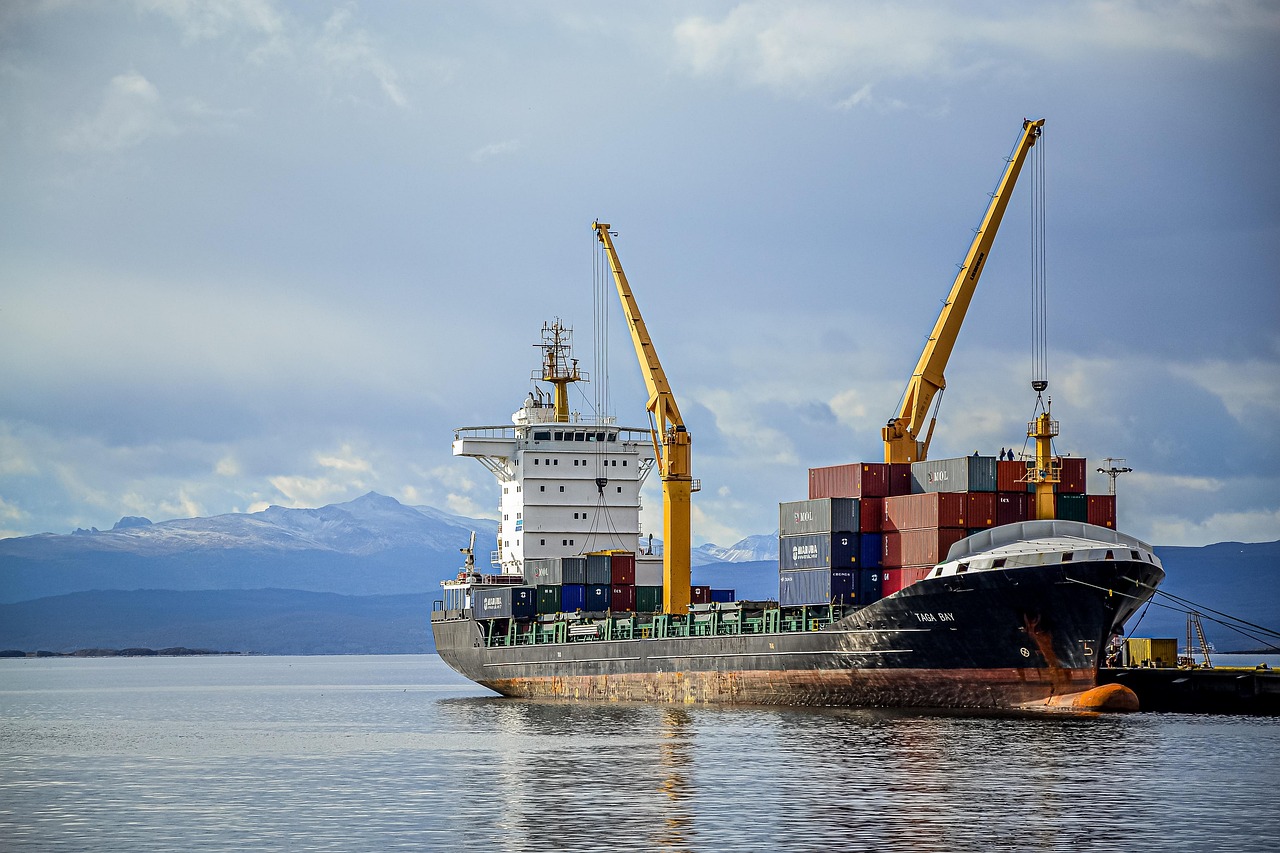
Shipping goods from the UK to Kenya via sea freight can be a breeze when you embrace the right practices! With our guide, youll uncover essential tips to ensure a smooth and cost-effective maritime journey for your cargo.
Shipping goods from the UK to Kenya via sea freight can be a straightforward process if you adopt the right strategies and best practices. The maritime route offers a cost-effective solution for transporting large volumes of cargo, but it’s essential to understand the ins and outs of logistics to ensure smooth shipping. In this guide, we will outline best practices, tips, and key considerations for successful sea freight from the UK to Kenya.
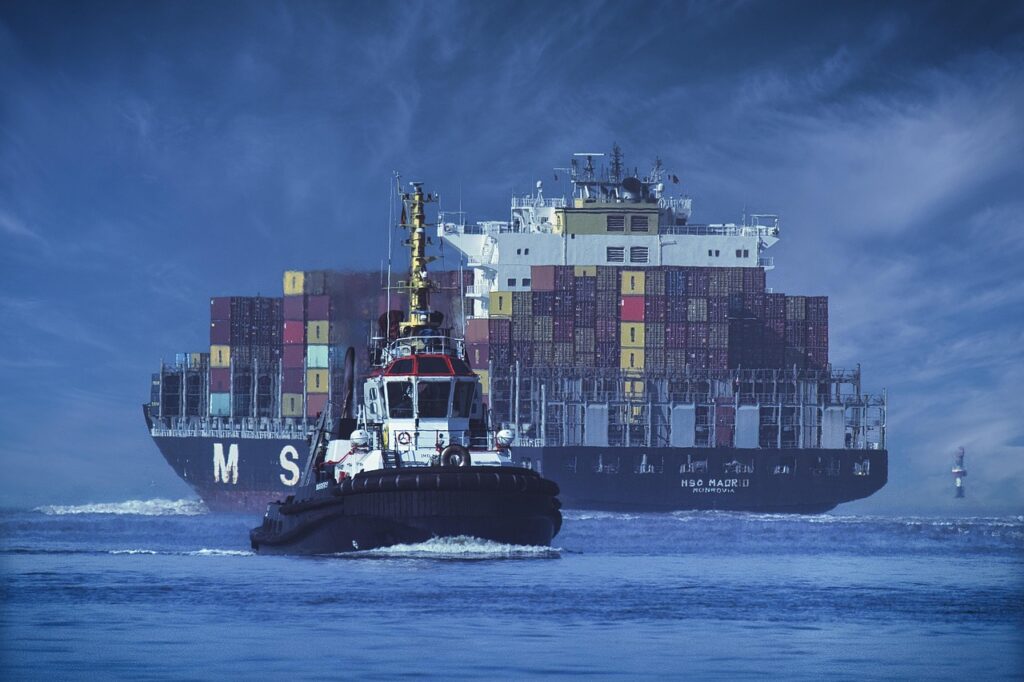
Sea freight, also known as ocean freight, involves shipping goods by sea using specialized containers. This method is commonly used for international trade due to its ability to handle large shipments, competitive pricing, and lower carbon emissions compared to air freight.
Full Container Load (FCL): Best for larger shipments that can fill an entire container, offering the lowest cost per item.
Less than Container Load (LCL): Ideal for smaller shipments that do not occupy a full container, allowing businesses to share space and reduce costs.
Roll-on Roll-off (RoRo): Often used for vehicles, this method involves driving the goods onto the ship, making it simple to load and unload.
Selecting the appropriate shipping method is crucial for a successful sea freight experience. Here are some factors to consider:
Volume of Cargo: Determine whether you’ll be shipping enough to warrant an FCL or if LCL is more suitable.
Delivery Schedule: FCL shipments generally take less time than LCL, making them preferable if time is of the essence.
Nature of Goods: Fragile or perishable items may require special handling that should be discussed with your freight forwarder.
Choosing a reputable freight forwarder is essential for navigating the complexities of international shipping. A good freight forwarder will:
Documentation is a crucial aspect of international shipping. Common documents needed when shipping to Kenya include:
Ensure that all documentation is filled out accurately to avoid delays at customs.
Kenya has specific customs regulations that must be adhered to when importing goods. Familiarize yourself with:
You can find this information on the Kenya Revenue Authority (KRA) website or by consulting your freight forwarder.
Proper packing is vital to protect your cargo during transit. Consider the following when packing your goods:
Accidents can happen at any time during transit, making cargo insurance a wise investment. Work with your freight forwarder to understand policy options and assess the value of the goods being shipped. Common insurances include:
Keep track of your shipment using the cargo tracking system provided by your freight forwarder. Tracking allows you to:
While shipping goods from the UK to Kenya can be efficient, there are common challenges that shippers may face:
Delays during customs clearance can hinder delivery times. To mitigate this, ensure all documentation is in order and consider hiring a customs broker familiar with Kenyan regulations.
Shipping costs can fluctuate based on a range of factors including fuel prices, port fees, and currency exchange rates. Request quotes from multiple freight forwarders to secure the best deal.
Adverse weather conditions can impact shipping schedules. Always stay updated on maritime forecasts, which can affect both departure and arrival times.
When calculating the total cost of shipping, consider:
Both originating and destination ports may charge various fees, including:
As previously discussed, insurance is an added cost but can save you money in the event of loss or damage.
Successfully navigating the sea freight process from the UK to Kenya requires careful planning and adherence to best practices. By selecting a reliable freight forwarder, preparing accurate documentation, and understanding customs regulations, you can mitigate common shipping challenges. Proper packing and insuring your cargo also play crucial roles in ensuring a smooth transit. By following these guidelines, you can set your business up for success in international trade with Kenya. Happy shipping!